


News
Exploring the Benefits and Features of Semi-Pneumatic Rubber Wheels
Release time:
2026-01-20 15:40
When it comes to wheels in the automotive and parts industry, the term "semi-pneumatic rubber wheel" often surfaces for good reason. These wheels offer a unique blend of performance, durability, and adaptability, making them an ideal choice for a variety of applications.
A semi-pneumatic rubber wheel typically combines the best features of solid and pneumatic wheels. Unlike fully solid wheels that
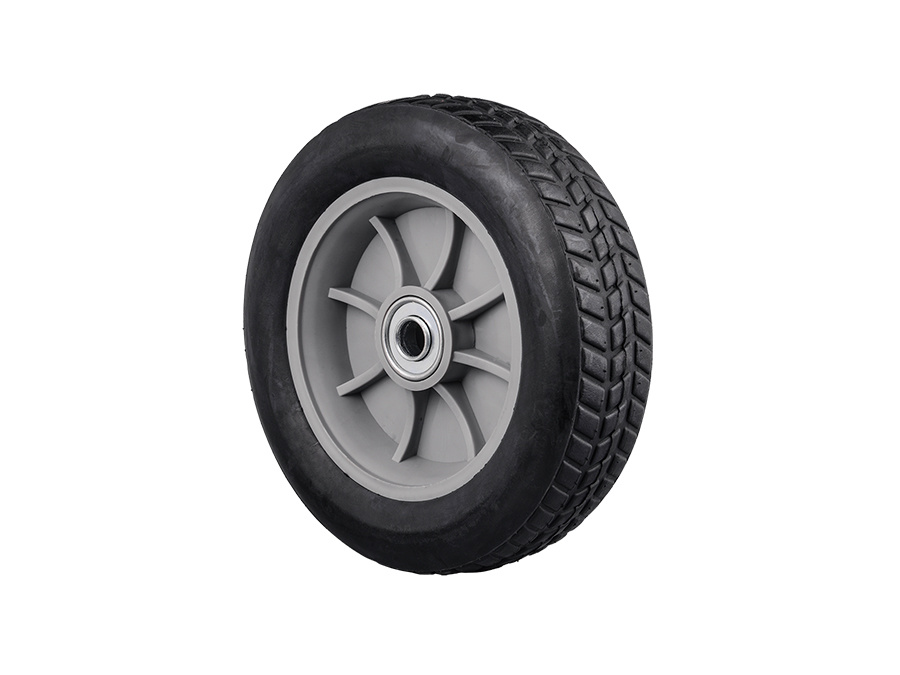
When it comes to wheels in the automotive and parts industry, the term "semi-pneumatic rubber wheel" often surfaces for good reason. These wheels offer a unique blend of performance, durability, and adaptability, making them an ideal choice for a variety of applications.
A semi-pneumatic rubber wheel typically combines the best features of solid and pneumatic wheels. Unlike fully solid wheels that can lack cushioning or shock absorption, semi-pneumatic wheels feature a hollow core filled with air. This design provides a level of flexibility and shock absorption that enhances ride comfort while maintaining the robustness needed for heavy loads. The air-filled structure reduces vibrations encountered during operation, which is particularly beneficial for equipment that traverses uneven surfaces.
One of the standout characteristics of semi-pneumatic rubber wheels is their versatility. They can be utilized in various applications ranging from garden equipment, material handling, and industrial carts to bicycles and wheelchairs. Their adaptability makes them suitable for both indoor and outdoor use, where durability and resilience are critical. The rubber material not only contributes to their durability but also helps in providing traction, reducing the likelihood of slipping, especially on smooth or wet surfaces.
Maintenance is another crucial factor that makes semi-pneumatic rubber wheels appealing. These wheels typically require less upkeep than fully pneumatic wheels, which can suffer from punctures or require regular inflation. The solid rubber exterior is resistant to wear and tear, making these wheels a reliable option for long-term use. Users can save time and costs associated with regular maintenance, ensuring smooth operations.
While the benefits of semi-pneumatic rubber wheels are evident, it's essential to consider the specific needs of your application when choosing the right type of wheel. Important factors to consider include load capacity, environmental conditions, and surface types. For instance, if you are operating on rough terrain, a wheel with a larger diameter may provide better performance and stability.
In summary, semi-pneumatic rubber wheels present a compelling solution for various industries requiring dependable and versatile wheels. Their unique design offers a balance of comfort, durability, and low maintenance, making them suitable for a wide range of applications. By understanding the benefits and features of these wheels, businesses can make informed decisions that enhance operational efficiency and improve overall performance.
A semi-pneumatic rubber wheel typically combines the best features of solid and pneumatic wheels. Unlike fully solid wheels that can lack cushioning or shock absorption, semi-pneumatic wheels feature a hollow core filled with air. This design provides a level of flexibility and shock absorption that enhances ride comfort while maintaining the robustness needed for heavy loads. The air-filled structure reduces vibrations encountered during operation, which is particularly beneficial for equipment that traverses uneven surfaces.
One of the standout characteristics of semi-pneumatic rubber wheels is their versatility. They can be utilized in various applications ranging from garden equipment, material handling, and industrial carts to bicycles and wheelchairs. Their adaptability makes them suitable for both indoor and outdoor use, where durability and resilience are critical. The rubber material not only contributes to their durability but also helps in providing traction, reducing the likelihood of slipping, especially on smooth or wet surfaces.
Maintenance is another crucial factor that makes semi-pneumatic rubber wheels appealing. These wheels typically require less upkeep than fully pneumatic wheels, which can suffer from punctures or require regular inflation. The solid rubber exterior is resistant to wear and tear, making these wheels a reliable option for long-term use. Users can save time and costs associated with regular maintenance, ensuring smooth operations.
While the benefits of semi-pneumatic rubber wheels are evident, it's essential to consider the specific needs of your application when choosing the right type of wheel. Important factors to consider include load capacity, environmental conditions, and surface types. For instance, if you are operating on rough terrain, a wheel with a larger diameter may provide better performance and stability.
In summary, semi-pneumatic rubber wheels present a compelling solution for various industries requiring dependable and versatile wheels. Their unique design offers a balance of comfort, durability, and low maintenance, making them suitable for a wide range of applications. By understanding the benefits and features of these wheels, businesses can make informed decisions that enhance operational efficiency and improve overall performance.
semi pneumatic rubber wheel
Our company has been pursuing high quality for many years. We hope to move from success to a better future on a win-win basis.
Contact number:
Contact number: 86-573-84061208
Fax number: 0573-84061933
Contact address: No.12, Shanying Road, Huimin Street, Jiashan County, Jiaxing City, Zhejiang Province
E-mail address:cherryning@rubber-wheels.com
Enterprise official website:www.chinazyxs.com
Copyright 2024 Jiaxing Zhiyue Rubber & Plastic Co., Ltd. All Rights Reserved