


News
How Solid Rubber Wheels Enhance Performance in Driving Systems
Release time:
2026-01-13 16:40
How Solid Rubber Wheels Enhance Performance in Driving Systems
Table of Contents
Introduction to Solid Rubber Wheels
Understanding Solid Rubber Wheels
Benefits of Solid Rubber Wheels
Improved Traction
Reduced Maintenance
Enhanced Durability
Applications of Solid Rubber Wheels in Driving Systems
Automot
How Solid Rubber Wheels Enhance Performance in Driving Systems
Table of Contents
- Introduction to Solid Rubber Wheels
- Understanding Solid Rubber Wheels
- Benefits of Solid Rubber Wheels
- Applications of Solid Rubber Wheels in Driving Systems
- How Solid Rubber Wheels Work
- Comparing Solid Rubber and Pneumatic Wheels
- The Future of Solid Rubber Wheels in Driving Systems
- Frequently Asked Questions
- Conclusion
Introduction to Solid Rubber Wheels
In recent years, the demand for **high-performance driving systems** has surged, leading to significant advancements in wheel technology. Among the most notable innovations are **solid rubber wheels**, which have proven to be a game-changer in various industries. Unlike traditional pneumatic tires, solid rubber wheels provide unique advantages that enhance the overall performance of vehicles and machinery. In this article, we will explore how solid rubber wheels can optimize driving systems, their benefits, applications, and future potential.
Understanding Solid Rubber Wheels
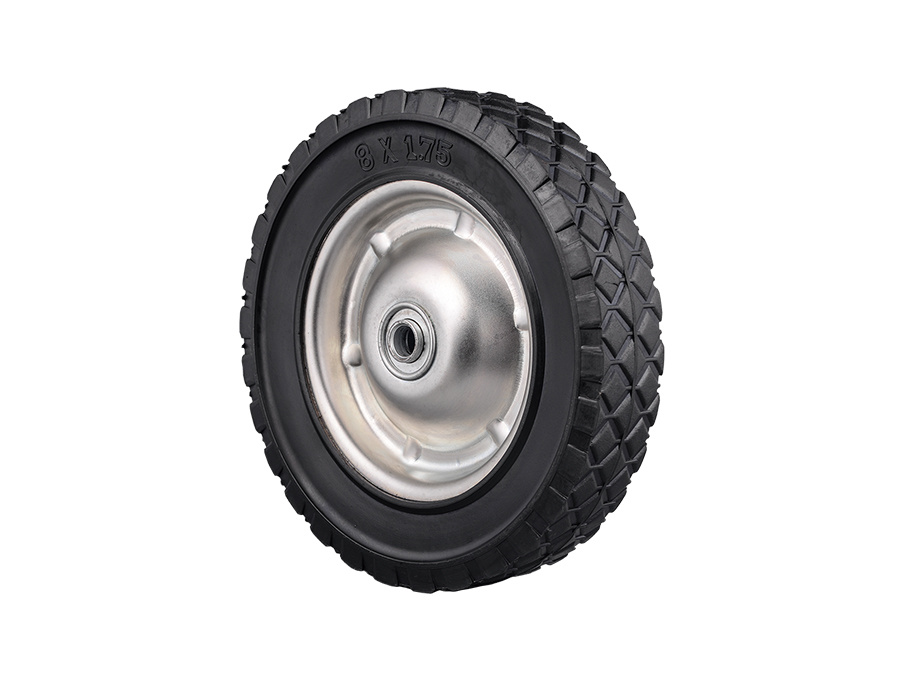
Solid rubber wheels are constructed entirely from solid rubber materials, eliminating the need for air-filled chambers found in pneumatic tires. This design offers several inherent advantages, including superior load-bearing capabilities and resistance to punctures. These wheels are designed to withstand various environmental conditions and heavy usage, making them ideal for industrial applications.
One of the most significant characteristics of solid rubber wheels is their **uniform contact surface**, which results in consistent performance across different terrains. This design minimizes the risk of flats and ensures a longer lifespan, thus contributing to enhanced operational efficiency.
Benefits of Solid Rubber Wheels
The shift towards solid rubber wheels in driving systems comes with a multitude of benefits that cannot be overlooked. Below are some of the most significant advantages.
Improved Traction
Solid rubber wheels are engineered to provide **excellent traction** on various surfaces. The unique tread patterns can be customized to suit specific applications, ensuring optimal grip in both wet and dry conditions. This enhanced traction is vital for vehicles and machinery, as it translates to improved stability and control, especially in demanding environments.
Reduced Maintenance
One of the standout benefits of solid rubber wheels is the reduced maintenance they require. Since they are not susceptible to air pressure loss or punctures, the overall maintenance costs are significantly lower compared to pneumatic wheels. This feature is especially advantageous for industries that operate in harsh conditions where tire damage is more prevalent.
Enhanced Durability
Solid rubber wheels are known for their **exceptional durability**. They can withstand heavy loads, rough terrains, and extreme weather conditions without degrading quickly. This durability ensures that vehicles and equipment remain operational longer, reducing downtime and contributing to increased productivity.
Applications of Solid Rubber Wheels in Driving Systems
The versatility of solid rubber wheels makes them suitable for a wide array of applications. Below are some key industries where these wheels are making a significant impact.
Automotive Industry
In the automotive sector, solid rubber wheels are increasingly being used in **electric vehicles (EVs)** and low-speed vehicles. They provide excellent performance while minimizing energy consumption, making them ideal for urban transportation. Additionally, their durability and reduced maintenance needs align perfectly with the evolving demands of the automotive market.
Industrial Machinery
Solid rubber wheels are commonly used in industrial machinery, such as forklifts, pallet jacks, and other material handling equipment. Their ability to handle heavy loads while offering a smooth ride ensures efficient operations in warehouses and manufacturing environments.
Recreational Vehicles
The recreational vehicle industry has also embraced solid rubber wheels due to their reliability and performance. From **golf carts** to all-terrain vehicles, these wheels enhance the overall driving experience by providing stability and comfort on various surfaces.
How Solid Rubber Wheels Work
Solid rubber wheels function by distributing loads evenly across their surface, which minimizes wear and tear. Their rigid construction allows for efficient energy transfer from the wheel to the ground, providing better acceleration and braking performance. Additionally, the high friction coefficient of solid rubber results in effective grip, further enhancing vehicle control and safety.
The design of solid rubber wheels also enables them to absorb shocks and vibrations, contributing to a smoother ride. This characteristic is particularly beneficial in applications where comfort and stability are crucial, such as in electric and recreational vehicles.
Comparing Solid Rubber and Pneumatic Wheels
When comparing **solid rubber wheels** to pneumatic wheels, several key differences become apparent. While pneumatic wheels offer advantages such as a softer ride due to their air-filled chambers, they also come with significant drawbacks, including the risk of punctures and higher maintenance costs.
In contrast, solid rubber wheels provide a consistent performance without the worry of air pressure loss. They deliver superior durability and traction, making them a preferred choice in many industrial and recreational applications. Additionally, their minimal maintenance requirements further enhance their appeal.
The Future of Solid Rubber Wheels in Driving Systems
As technology continues to evolve, the future of solid rubber wheels looks promising. Innovations in materials and manufacturing processes are expected to enhance their performance even further. Research into advanced formulations of rubber could lead to wheels that offer even greater durability, traction, and energy efficiency.
Furthermore, as industries increasingly focus on sustainability, solid rubber wheels present a viable option due to their longevity and reduced environmental impact. The potential for recycling and reuse adds to their appeal, aligning with the global shift towards greener technologies.
Frequently Asked Questions
1. What are solid rubber wheels made from?
Solid rubber wheels are made from high-quality rubber compounds, which provide durability, flexibility, and resistance to wear.
2. How do solid rubber wheels compare to traditional tires?
Solid rubber wheels offer superior durability, reduced maintenance, and improved traction compared to traditional pneumatic tires.
3. Can solid rubber wheels be used in extreme weather conditions?
Yes, solid rubber wheels are designed to withstand various environmental conditions, making them suitable for both hot and cold climates.
4. Are solid rubber wheels heavy?
While solid rubber wheels can be heavier than pneumatic tires, their durability and performance often outweigh the weight considerations, especially in industrial applications.
5. How do I maintain solid rubber wheels?
Maintenance for solid rubber wheels is minimal. Regular inspections for wear and tear, along with cleaning to remove debris, are typically sufficient to keep them in good condition.
Conclusion
In conclusion, solid rubber wheels are revolutionizing the performance of driving systems across various industries. Their unique benefits, including improved traction, reduced maintenance, and enhanced durability, make them an ideal choice for a wide range of applications. As technology advances, we can expect solid rubber wheels to play an even more significant role in the future of driving systems, paving the way for safer, more efficient, and eco-friendly transportation solutions. Embracing this innovative technology not only enhances performance but also aligns with the growing demand for sustainability and reliability in the automotive and industrial sectors.
solid rubber wheel 3 inch
Our company has been pursuing high quality for many years. We hope to move from success to a better future on a win-win basis.
Contact number:
Contact number: 86-573-84061208
Fax number: 0573-84061933
Contact address: No.12, Shanying Road, Huimin Street, Jiashan County, Jiaxing City, Zhejiang Province
E-mail address:cherryning@rubber-wheels.com
Enterprise official website:www.chinazyxs.com
Copyright 2024 Jiaxing Zhiyue Rubber & Plastic Co., Ltd. All Rights Reserved