


News
Exploring the Benefits of Solid Rubber Tires: A Deep Dive into 8x1.75 Specifications
Release time:
2025-12-09 12:00
When it comes to tires, particularly in the automotive and parts industry, the choice of material and specifications can greatly influence performance and usability. Solid rubber tires, specifically the 8x1.75 model, have gained popularity in various applications due to their unique characteristics and benefits.
Solid rubber tires are designed without an air chamber, making them inherently punctur
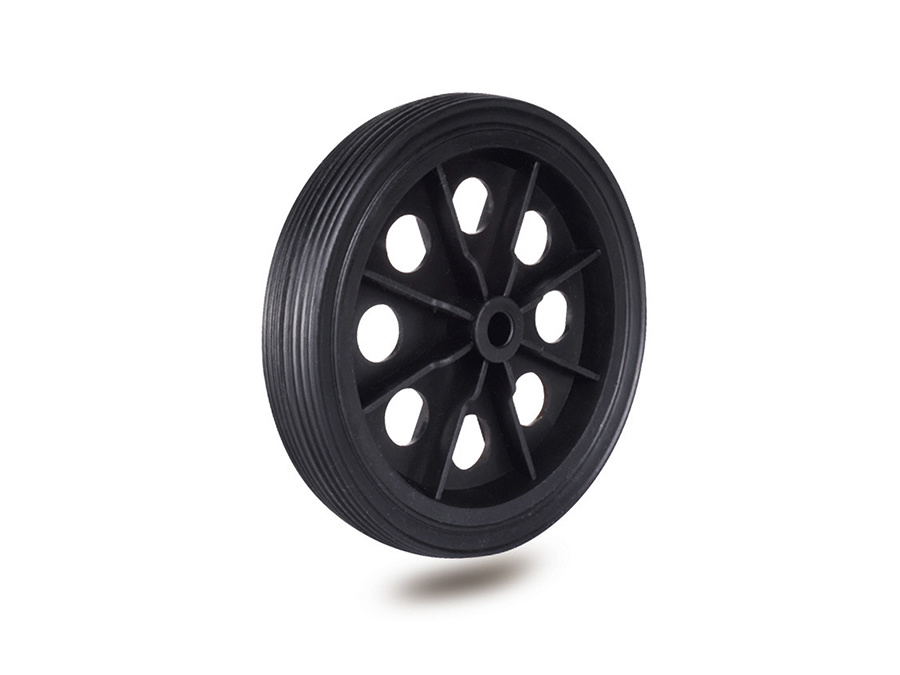
When it comes to tires, particularly in the automotive and parts industry, the choice of material and specifications can greatly influence performance and usability. Solid rubber tires, specifically the 8x1.75 model, have gained popularity in various applications due to their unique characteristics and benefits.
Solid rubber tires are designed without an air chamber, making them inherently puncture-proof. This quality is particularly valuable for environments where sharp objects may be present, such as in warehouses or construction sites. The 8x1.75 size is versatile, often used in scooters, hand trucks, and other wheeled equipment. This makes them an excellent choice for both personal and commercial use.
One of the primary advantages of solid rubber tires is their durability. Unlike traditional pneumatic tires, solid rubber tires can withstand heavy loads without the risk of deflation. This robustness translates into lower maintenance costs, as users do not need to constantly check for air pressure or worry about flats. Additionally, the rubber composition provides excellent traction, ensuring stability on various surfaces, whether it be concrete or uneven terrain.
Another technical aspect worth noting is the rolling resistance of solid rubber tires. While they may not provide the same level of cushioning as air-filled tires, advancements in tire technology have improved the ride quality of solid rubber tires. The 8x1.75 model strikes a balance between cushioning and resistance, allowing for smoother navigation without sacrificing performance.
For professionals in logistics or transportation sectors, the choice of solid rubber tires can lead to operational efficiency. Their low maintenance requirements mean reduced downtime and increased productivity. Businesses can benefit from using these tires when transporting goods or providing mobility solutions, as the risk of mechanical failure is minimized.
When selecting solid rubber tires, it is also essential to consider the environment in which they will be used. The 8x1.75 tires are suitable for both indoor and outdoor applications, but factors such as temperature and surface type can affect their performance. Ensuring proper alignment and regular inspections can help maintain optimal functionality.
In conclusion, the solid rubber tire 8x1.75 is a reliable choice for those in the automotive and parts industry. Its durability, puncture resistance, and low maintenance needs make it an appealing option for a variety of applications. By understanding the technical specifications and benefits of these tires, professionals can make informed decisions that enhance their operational capabilities.
Solid rubber tires are designed without an air chamber, making them inherently puncture-proof. This quality is particularly valuable for environments where sharp objects may be present, such as in warehouses or construction sites. The 8x1.75 size is versatile, often used in scooters, hand trucks, and other wheeled equipment. This makes them an excellent choice for both personal and commercial use.
One of the primary advantages of solid rubber tires is their durability. Unlike traditional pneumatic tires, solid rubber tires can withstand heavy loads without the risk of deflation. This robustness translates into lower maintenance costs, as users do not need to constantly check for air pressure or worry about flats. Additionally, the rubber composition provides excellent traction, ensuring stability on various surfaces, whether it be concrete or uneven terrain.
Another technical aspect worth noting is the rolling resistance of solid rubber tires. While they may not provide the same level of cushioning as air-filled tires, advancements in tire technology have improved the ride quality of solid rubber tires. The 8x1.75 model strikes a balance between cushioning and resistance, allowing for smoother navigation without sacrificing performance.
For professionals in logistics or transportation sectors, the choice of solid rubber tires can lead to operational efficiency. Their low maintenance requirements mean reduced downtime and increased productivity. Businesses can benefit from using these tires when transporting goods or providing mobility solutions, as the risk of mechanical failure is minimized.
When selecting solid rubber tires, it is also essential to consider the environment in which they will be used. The 8x1.75 tires are suitable for both indoor and outdoor applications, but factors such as temperature and surface type can affect their performance. Ensuring proper alignment and regular inspections can help maintain optimal functionality.
In conclusion, the solid rubber tire 8x1.75 is a reliable choice for those in the automotive and parts industry. Its durability, puncture resistance, and low maintenance needs make it an appealing option for a variety of applications. By understanding the technical specifications and benefits of these tires, professionals can make informed decisions that enhance their operational capabilities.
solid rubber tire 8x1.75
Our company has been pursuing high quality for many years. We hope to move from success to a better future on a win-win basis.
Contact number:
Contact number: 86-573-84061208
Fax number: 0573-84061933
Contact address: No.12, Shanying Road, Huimin Street, Jiashan County, Jiaxing City, Zhejiang Province
E-mail address:cherryning@rubber-wheels.com
Enterprise official website:www.chinazyxs.com
Copyright 2024 Jiaxing Zhiyue Rubber & Plastic Co., Ltd. All Rights Reserved