


News
The Advantages of Solid Rubber Tires 8x1.75 Over Traditional Options
Release time:
2025-12-02 11:20
The Advantages of Solid Rubber Tires 8x1.75 Over Traditional Options
Table of Contents
1. Introduction to Solid Rubber Tires 8x1.75
2. What Are Solid Rubber Tires?
3. Key Benefits of Solid Rubber Tires 8x1.75
3.1 Durability and Longevity
3.2 Puncture Resistance
3.3 Maintenance-Free Performance
3.4 Cost Efficiency Over Time
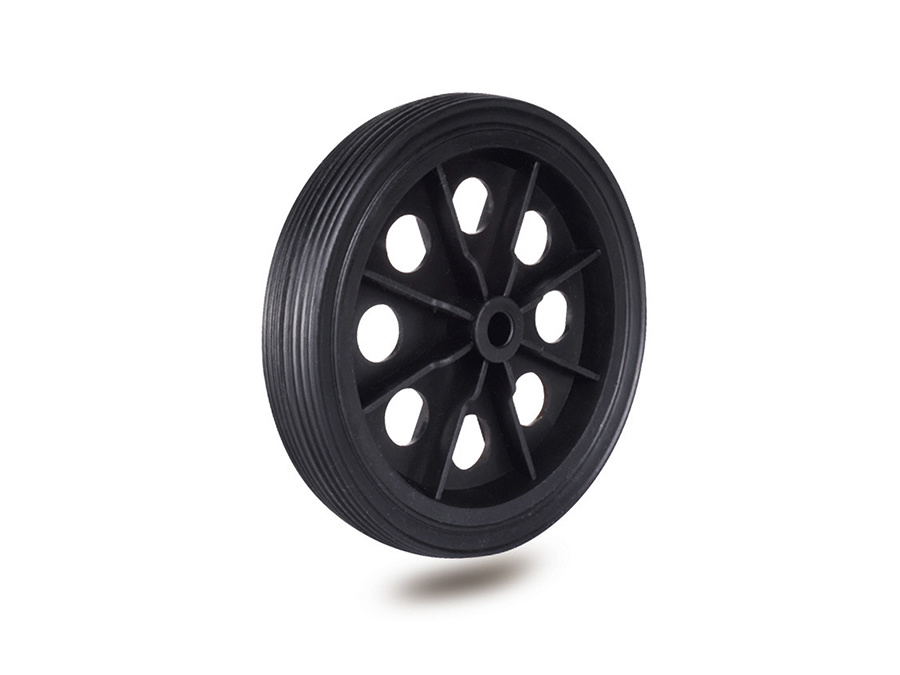
The Advantages of Solid Rubber Tires 8x1.75 Over Traditional Options
Table of Contents
- 1. Introduction to Solid Rubber Tires 8x1.75
- 2. What Are Solid Rubber Tires?
- 3. Key Benefits of Solid Rubber Tires 8x1.75
- 3.1 Durability and Longevity
- 3.2 Puncture Resistance
- 3.3 Maintenance-Free Performance
- 3.4 Cost Efficiency Over Time
- 4. Comparison with Traditional Tire Options
- 5. Applications of Solid Rubber Tires 8x1.75
- 6. Environmental Impact of Solid Rubber Tires
- 7. Frequently Asked Questions
- 8. Conclusion: The Future of Solid Rubber Tires
1. Introduction to Solid Rubber Tires 8x1.75
In the realm of tire technology, solid rubber tires, particularly the 8x1.75 size, have emerged as a leading option for various applications. Unlike traditional pneumatic tires, which rely on air pressure for support, solid rubber tires provide a robust alternative that meets the needs of diverse industries, from material handling to recreational vehicles. This article explores the multitude of advantages solid rubber tires offer over conventional options, providing insights into why they are becoming the preferred choice.
2. What Are Solid Rubber Tires?
Solid rubber tires are composed of a solid block of rubber, devoid of any air-filled chambers. This design feature allows for several inherent benefits, including increased strength, durability, and resistance to punctures. Their construction makes them suitable for applications in environments where traditional tires would not perform well, such as in warehouses, on construction sites, and in various outdoor settings.
3. Key Benefits of Solid Rubber Tires 8x1.75
3.1 Durability and Longevity
One of the most significant advantages of solid rubber tires 8x1.75 is their exceptional durability. These tires are designed to withstand harsh conditions, including extreme temperatures and rough terrains. While traditional tires may wear out or degrade over time, solid rubber tires maintain their structural integrity, offering a longer lifespan and reducing the frequency of replacements.
3.2 Puncture Resistance
Punctures can lead to significant downtime and costly repairs, especially in industrial settings. Solid rubber tires are inherently puncture-resistant, eliminating the risk of flat tires. This feature not only enhances safety but also improves productivity, as operators can work without the constant worry of tire failures.
3.3 Maintenance-Free Performance
Solid rubber tires require minimal maintenance compared to traditional tires. There are no air pressures to check, no need for regular inflation, and no risk of blowouts. This "set it and forget it" approach allows businesses and individuals to focus on their operations without being bogged down by tire maintenance issues.
3.4 Cost Efficiency Over Time
While the initial investment in solid rubber tires 8x1.75 may be higher than that of traditional tires, their long-term cost efficiency is undeniable. Fewer replacements, reduced maintenance costs, and enhanced productivity contribute to significant savings over the lifespan of the tires. Businesses can expect a favorable return on investment when opting for solid rubber tires.
4. Comparison with Traditional Tire Options
4.1 Common Issues with Traditional Tires
Traditional pneumatic tires are susceptible to a myriad of problems, including punctures, air leaks, and uneven wear. These issues can lead to decreased performance, safety hazards, and increased operational costs. Furthermore, traditional tires require consistent maintenance to ensure optimal performance, which can be a burden for businesses.
4.2 Advantages of Solid Tires
In contrast, solid rubber tires address many of the challenges associated with traditional options. They provide a consistent performance level without the risks of punctures or air loss. Solid rubber tires also deliver a smoother ride on various surfaces, making them ideal for both indoor and outdoor applications.
5. Applications of Solid Rubber Tires 8x1.75
Solid rubber tires 8x1.75 are versatile and can be utilized in multiple sectors. Common applications include:
- **Material Handling Equipment**: Forklifts and pallet jacks benefit from the durability and puncture resistance of solid rubber tires.
- **Recreational Vehicles**: Bicycles, scooters, and electric vehicles enjoy improved safety and performance with solid rubber tires.
- **Industrial Machinery**: Heavy-duty equipment operating in rugged conditions can rely on solid rubber tires for consistent performance.
Their adaptability makes solid rubber tires a preferred choice in various industries, enhancing safety and efficiency.
6. Environmental Impact of Solid Rubber Tires
In addition to their performance benefits, solid rubber tires have a positive environmental impact. Traditional tires contribute to landfill waste, as they are often discarded after their useful life ends. In contrast, solid rubber tires can be recycled or repurposed, reducing environmental harm. Moreover, the longer lifespan of solid rubber tires means fewer resources are consumed over time, aligning with sustainability goals.
7. Frequently Asked Questions
What are the main differences between solid rubber tires and pneumatic tires?
Solid rubber tires are made entirely of rubber, providing puncture resistance and durability, while pneumatic tires are air-filled and susceptible to punctures and air loss.
How long do solid rubber tires typically last?
The lifespan of solid rubber tires varies, but they generally outlast traditional tires due to their robust construction, often lasting several years under normal use.
Can solid rubber tires be used on all surfaces?
Solid rubber tires perform well on various surfaces, including asphalt, concrete, and uneven terrain, making them a versatile choice for different applications.
Are solid rubber tires suitable for outdoor use?
Yes, solid rubber tires are designed to withstand outdoor conditions, making them ideal for use in construction sites, parks, and other outdoor environments.
What is the cost difference between solid rubber tires and traditional tires?
While solid rubber tires may have a higher upfront cost, their long-term savings in maintenance and durability often make them a more cost-effective option.
8. Conclusion: The Future of Solid Rubber Tires
Solid rubber tires 8x1.75 present a compelling alternative to traditional tire options, offering numerous benefits such as enhanced durability, puncture resistance, and maintenance-free performance. With their versatility across various applications and positive environmental impact, it's clear that solid rubber tires are not just a passing trend but a significant advancement in tire technology. As industries continue to seek solutions that improve efficiency and safety, solid rubber tires are poised to play a vital role in shaping the future of transportation and equipment performance.
solid rubber tire 8x1.75
Our company has been pursuing high quality for many years. We hope to move from success to a better future on a win-win basis.
Contact number:
Contact number: 86-573-84061208
Fax number: 0573-84061933
Contact address: No.12, Shanying Road, Huimin Street, Jiashan County, Jiaxing City, Zhejiang Province
E-mail address:cherryning@rubber-wheels.com
Enterprise official website:www.chinazyxs.com
Copyright 2024 Jiaxing Zhiyue Rubber & Plastic Co., Ltd. All Rights Reserved