


News
Essential Tips for Maintaining Your 200x50 Small Trolley Rubber Wheels
Release time:
2026-11-24 15:21
Essential Tips for Maintaining Your 200x50 Small Trolley Rubber Wheels
Maintaining your 200x50 small trolley rubber wheels is crucial for ensuring optimal performance and longevity. These wheels are designed for various applications, including moving heavy items and facilitating transportation. In this guide, we will provide you with detailed tips and techniques to keep your rubber wheels in top c
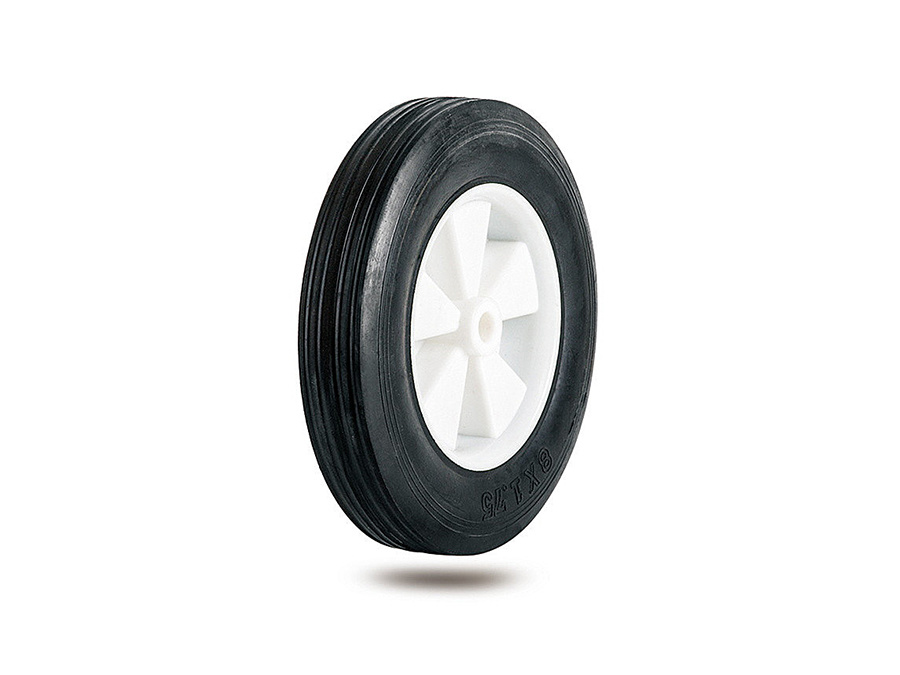
Essential Tips for Maintaining Your 200x50 Small Trolley Rubber Wheels
Maintaining your 200x50 small trolley rubber wheels is crucial for ensuring optimal performance and longevity. These wheels are designed for various applications, including moving heavy items and facilitating transportation. In this guide, we will provide you with detailed tips and techniques to keep your rubber wheels in top condition, ensuring that your trolley operates smoothly and efficiently.
Understanding the Importance of Wheel Maintenance
Proper maintenance of trolley wheels not only prolongs their lifespan but also enhances safety during use. Worn or damaged wheels can lead to accidents, decreased efficiency, and potential damage to the trolley itself. Regular maintenance helps identify potential issues early, allowing for timely repairs and replacements.
Common Issues with Trolley Rubber Wheels
Rubber wheels are subject to wear and tear due to constant friction with surfaces. Some common issues include:
- **Flat Spots**: Caused by prolonged pressure in one position.
- **Cracks and Splits**: Result from exposure to harsh weather or UV light.
- **Loss of Traction**: Affects performance on different surfaces.
By staying aware of these issues, you can proactively maintain your wheels.
Essential Tools for Wheel Maintenance
Before diving into maintenance tips, gather the necessary tools. Here’s what you will need:
- **Soft Cloths**: For cleaning the wheels.
- **Mild Detergent**: To remove dirt and grime.
- **Lubricant Spray**: To keep wheel bearings functioning smoothly.
- **Tire Pressure Gauge**: For checking inflation levels.
- **Replacement Parts**: Having spare wheels or parts on hand for quick replacements.
Step-by-Step Guide to Cleaning Your Rubber Wheels
Cleaning your trolley wheels is the first step toward proper maintenance. Here’s a step-by-step guide:
Step 1: Remove the Wheels
If possible, detach the wheels from the trolley. This allows for a more thorough cleaning and inspection.
Step 2: Clean with Mild Detergent
Using a soft cloth and mild detergent, wipe down the wheel surfaces. Pay special attention to the tread and any crevices where dirt may accumulate.
Step 3: Rinse and Dry
After cleaning, rinse the wheels with water and dry them thoroughly with a clean cloth. This prevents moisture from causing damage or promoting mold growth.
Step 4: Inspect for Damage
While cleaning, inspect each wheel for cracks, flat spots, or other signs of wear. Early detection is key in preventing further damage.
Checking Wheel Pressure and Inflation
Proper tire pressure is essential for optimal trolley performance. Under-inflated wheels can lead to increased rolling resistance, while over-inflated wheels can cause premature wear.
How to Check Tire Pressure
1. Use a tire pressure gauge to measure the inflation level.
2. Refer to the manufacturer’s specifications for the correct pressure range.
3. Inflate or deflate as necessary to reach the optimal level.
Regularly checking tire pressure should be part of your maintenance routine.
Lubrication: A Key Maintenance Step
Lubrication is vital for ensuring that wheel bearings operate smoothly. A well-lubricated wheel reduces friction and wear, leading to a longer lifespan.
How to Lubricate Your Rubber Wheels
1. **Select the Right Lubricant**: Choose a lubricant that is suitable for rubber and wheel bearings.
2. **Apply Sparingly**: Spray a small amount onto the bearings. Avoid over-lubrication as this can attract dirt and grime.
3. **Rotate the Wheels**: Spin the wheels after lubrication to ensure even distribution.
Regular lubrication should be done at least once every few months, or more often if the trolley is used heavily.
Storage Tips for Rubber Wheels
How you store your trolley can significantly impact the condition of the rubber wheels. Proper storage helps prevent damage from environmental factors and prolongs their life.
Best Practices for Storing Trolley Wheels
- **Keep in a Dry Area**: Avoid storing your trolley in damp conditions, which can lead to mold and degradation of the rubber.
- **Avoid Direct Sunlight**: Prolonged exposure to UV rays can cause cracks and fading in rubber.
- **Store Upright**: If possible, store the trolley upright to avoid flat spots forming on the wheels.
Recognizing When to Replace Your Rubber Wheels
Despite your best maintenance efforts, there will come a time when replacement is necessary. Recognizing the signs of wear can help you act swiftly.
Indications for Wheel Replacement
- **Severe Cracking or Splitting**: Compromised wheels can be hazardous.
- **Excessive Flat Spots**: If the wheels no longer roll smoothly, it's time for a change.
- **Loss of Traction**: If the wheels slip excessively on surfaces, new wheels may be required.
Frequently Asked Questions (FAQs)
1. How often should I clean my trolley wheels?
It's recommended to clean your trolley wheels every few months or more frequently if used in harsh conditions.
2. Can I use any lubricant on my rubber wheels?
No, it’s best to use a lubricant specifically designed for rubber and wheel bearings to avoid damage.
3. What are the signs of flat spots on rubber wheels?
Flat spots typically present as uneven wear patterns or areas where the wheel does not roll smoothly.
4. How can I prevent my wheels from cracking?
Store your trolley in a cool, dry place and avoid prolonged exposure to sunlight to minimize the risk of cracking.
5. When should I consider replacing my trolley wheels?
Replace the wheels when you notice severe damage, loss of traction, or if they no longer roll smoothly.
Conclusion
Maintaining your 200x50 small trolley rubber wheels is essential for ensuring safety, efficiency, and longevity. By following the tips outlined in this guide—ranging from cleaning and lubrication to proper storage—you can extend the life of your wheels and enhance the performance of your trolley. Regular inspections and proactive maintenance will help you identify issues early, allowing for timely interventions. With the right care, your trolley wheels will serve you well for years to come.
200x50 small trolley rubber wheel
Previous Page
Our company has been pursuing high quality for many years. We hope to move from success to a better future on a win-win basis.
Contact number:
Contact number: 86-573-84061208
Fax number: 0573-84061933
Contact address: No.12, Shanying Road, Huimin Street, Jiashan County, Jiaxing City, Zhejiang Province
E-mail address:cherryning@rubber-wheels.com
Enterprise official website:www.chinazyxs.com
Copyright 2024 Jiaxing Zhiyue Rubber & Plastic Co., Ltd. All Rights Reserved