


News
Innovations in Design: The Future of Solid Rubber Wheels 8x2.5
Release time:
2026-10-23 09:01
Innovations in Design: The Future of Solid Rubber Wheels 8x2.5
Table of Contents
Introduction to Solid Rubber Wheels
Historical Development of Rubber Wheels
Current Design Innovations in 8x2.5 Solid Rubber Wheels
Benefits of Solid Rubber Wheels in Modern Applications
Impact on Various Industries: Automotive, Robotics, and Beyond
Future Trends in Wheel Design and Material T
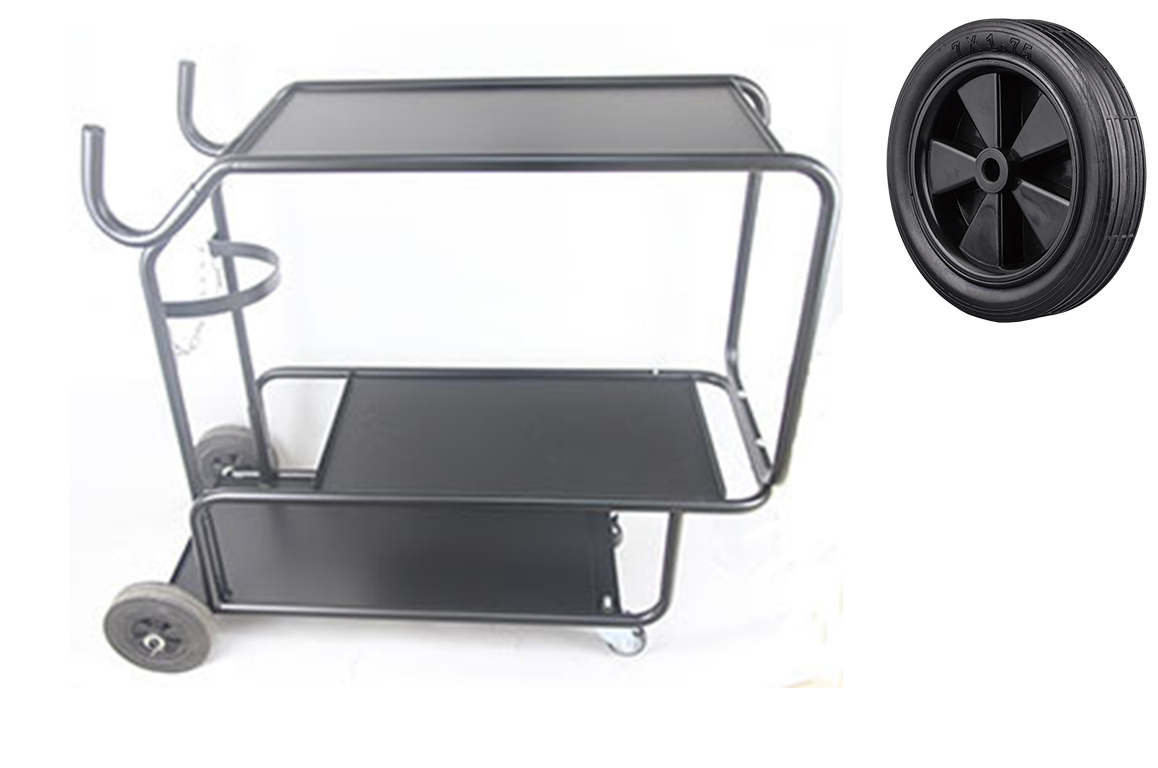
Innovations in Design: The Future of Solid Rubber Wheels 8x2.5
Table of Contents
- Introduction to Solid Rubber Wheels
- Historical Development of Rubber Wheels
- Current Design Innovations in 8x2.5 Solid Rubber Wheels
- Benefits of Solid Rubber Wheels in Modern Applications
- Impact on Various Industries: Automotive, Robotics, and Beyond
- Future Trends in Wheel Design and Material Technology
- Sustainability and Eco-Friendliness in Wheel Manufacturing
- Conclusion
- Frequently Asked Questions
Introduction to Solid Rubber Wheels
Solid rubber wheels, particularly those sized 8x2.5 inches, are becoming increasingly popular in various sectors, from industrial applications to personal mobility devices. Their design showcases innovation that addresses the limitations of traditional pneumatic tires, offering a robust alternative that enhances performance and durability. This article delves into the evolution, current innovations, and future prospects of solid rubber wheels, providing insights into how they are reshaping mobility solutions.
Historical Development of Rubber Wheels
The journey of rubber wheels began in the late 19th century with the invention of the pneumatic tire. While these tires provided enhanced comfort and traction, they also introduced several challenges, including punctures and maintenance issues. The introduction of solid rubber wheels aimed to eliminate these drawbacks. The 8x2.5 size has emerged as a versatile standard, catering to a wide range of applications, from carts and wheelchairs to industrial equipment.
Over the years, advancements in rubber formulation and wheel construction techniques have significantly improved the performance of solid rubber wheels. Early versions were primarily designed for durability but lacked the flexibility needed for optimal handling. Today, innovations focus on combining durability with enhanced shock absorption and traction.
Current Design Innovations in 8x2.5 Solid Rubber Wheels
Modern advancements in the design of 8x2.5 solid rubber wheels focus on several key areas:
Advanced Rubber Compounds
The latest solid rubber wheels utilize advanced compounds that enhance elasticity and resilience. These formulations allow the wheels to better withstand impact and wear, extending their lifespan significantly.
Optimized Tread Patterns
Innovative tread designs have been developed to improve grip and stability on various surfaces. These patterns are engineered for specific applications, optimizing performance whether on smooth floors or rugged terrains.
Weight Reduction Techniques
Manufacturers are employing techniques such as hollow cores and lightweight materials to reduce the overall weight of the wheels without compromising strength. This is particularly beneficial for electric scooters and mobility devices, enhancing their efficiency and battery life.
Customizable Designs
Customization options are increasingly available, allowing users to select wheel characteristics tailored to their specific needs. This trend is particularly attractive for industries requiring specialized performance features.
Benefits of Solid Rubber Wheels in Modern Applications
The advantages of using 8x2.5 solid rubber wheels are numerous and impactful:
Enhanced Durability
Unlike pneumatic tires, solid rubber wheels are not susceptible to punctures or leaks. They can withstand harsh conditions, making them ideal for heavy-duty applications.
Low Maintenance Requirements
Solid rubber wheels require minimal maintenance compared to traditional tires. There’s no need for inflation, which simplifies upkeep and reduces downtime.
Stable Performance
The design of solid rubber wheels provides consistent performance, ensuring reliable handling and traction across various surfaces. This stability is crucial for safety in industrial settings and personal mobility.
Vibration Absorption
With advancements in rubber technology, modern solid wheels effectively absorb vibrations, leading to a more comfortable user experience, especially for mobility devices and industrial carts.
Impact on Various Industries: Automotive, Robotics, and Beyond
The impact of solid rubber wheels extends across multiple industries:
Automotive Industry
In the automotive sector, solid rubber wheels are used in electric vehicles and urban mobility solutions. Their lightweight and durable nature complements the push for efficiency and sustainability in modern transportation.
Robotics and Automation
Robots and automated systems often employ solid rubber wheels for their ability to provide smooth navigation and stability. These wheels contribute to enhancing the operational capacity of robots in warehouses and manufacturing facilities.
Healthcare and Mobility Devices
In healthcare, solid rubber wheels are prevalent in wheelchairs and medical carts. Their durability and ease of use significantly improve mobility for patients and healthcare professionals alike.
Recreational Applications
Solid rubber wheels are gaining traction in recreational products such as skateboards, scooters, and even bicycles. Their resilient nature caters to active lifestyles, providing both performance and safety.
Future Trends in Wheel Design and Material Technology
The future of solid rubber wheels is bright, with several trends shaping the trajectory of their development:
Smart Wheel Technology
Incorporating sensors and IoT technology into wheel design offers real-time performance data, enhancing user experience and safety. Smart wheels could monitor pressure, wear, and usage patterns, allowing for predictive maintenance.
Biodegradable Materials
As sustainability continues to be a priority, the development of eco-friendly materials for wheel manufacturing is on the rise. This shift will not only enhance the environmental profile of solid rubber wheels but also appeal to increasingly conscious consumers.
3D Printing Innovations
The adoption of 3D printing technology in wheel manufacturing allows for customized designs and rapid prototyping. This flexibility can lead to more innovative and efficient wheel designs tailored to specific applications.
Integration of Energy Harvesting Technologies
Future wheels may incorporate energy-harvesting technologies, allowing them to generate power while in motion. This concept could lead to self-sustaining mobility solutions, particularly in electric vehicles.
Sustainability and Eco-Friendliness in Wheel Manufacturing
Sustainability has become a hallmark of modern manufacturing practices. In the context of solid rubber wheels, several eco-friendly initiatives are shaping the industry:
Recycling Programs
Many manufacturers are implementing recycling programs to reclaim used rubber wheels and recycle them into new products. This not only reduces waste but also promotes a circular economy.
Reducing Carbon Footprint
Innovations in manufacturing processes aim to minimize energy consumption and lower overall emissions. This trend is critical for companies seeking to align with global sustainability goals.
Use of Natural Rubber Alternatives
Research into natural rubber alternatives, such as synthetic compounds derived from renewable resources, is gaining momentum. These materials can provide similar performance characteristics while being more environmentally friendly.
Conclusion
The future of solid rubber wheels, particularly the 8x2.5 specification, is poised for significant advancements driven by innovation in design, materials, and technology. As industries increasingly prioritize durability, efficiency, and sustainability, solid rubber wheels emerge as a pivotal component in modern mobility solutions. With their unique blend of performance benefits and eco-friendly practices, these wheels are set to transform the landscape of transportation, robotics, healthcare, and recreation.
Frequently Asked Questions
What are solid rubber wheels used for?
Solid rubber wheels are commonly used in industrial applications, mobility devices like wheelchairs, recreational vehicles, and robotics due to their durability and low maintenance requirements.
How do solid rubber wheels compare to pneumatic tires?
Solid rubber wheels are more durable, puncture-resistant, and require less maintenance than pneumatic tires, although they may offer less shock absorption compared to well-inflated tires.
Are solid rubber wheels eco-friendly?
Many manufacturers are adopting eco-friendly practices in the production of solid rubber wheels, including recycling programs and the use of sustainable materials.
Can solid rubber wheels be customized?
Yes, many manufacturers offer customization options for solid rubber wheels, allowing users to select specific characteristics suited to their applications.
What trends are emerging in solid rubber wheel technology?
Emerging trends include smart technology integration, biodegradable materials, 3D printing innovations, and energy harvesting capabilities, all aimed at enhancing performance and sustainability.
solid rubber wheel 8x2.5
Our company has been pursuing high quality for many years. We hope to move from success to a better future on a win-win basis.
Contact number:
Contact number: 86-573-84061208
Fax number: 0573-84061933
Contact address: No.12, Shanying Road, Huimin Street, Jiashan County, Jiaxing City, Zhejiang Province
E-mail address:cherryning@rubber-wheels.com
Enterprise official website:www.chinazyxs.com
Copyright 2024 Jiaxing Zhiyue Rubber & Plastic Co., Ltd. All Rights Reserved