


News
Exploring the Benefits of Solid Rubber Wheel Bicycle Auxiliary Wheels
Release time:
2026-09-18 10:30
When it comes to enhancing the performance and safety of bicycles, solid rubber wheel bicycle auxiliary wheels have become an essential component for many riders. These wheels are designed to offer superior support and stability, especially for those who may struggle with balance or require additional assistance while riding.
One of the primary advantages of solid rubber wheels is their durabilit
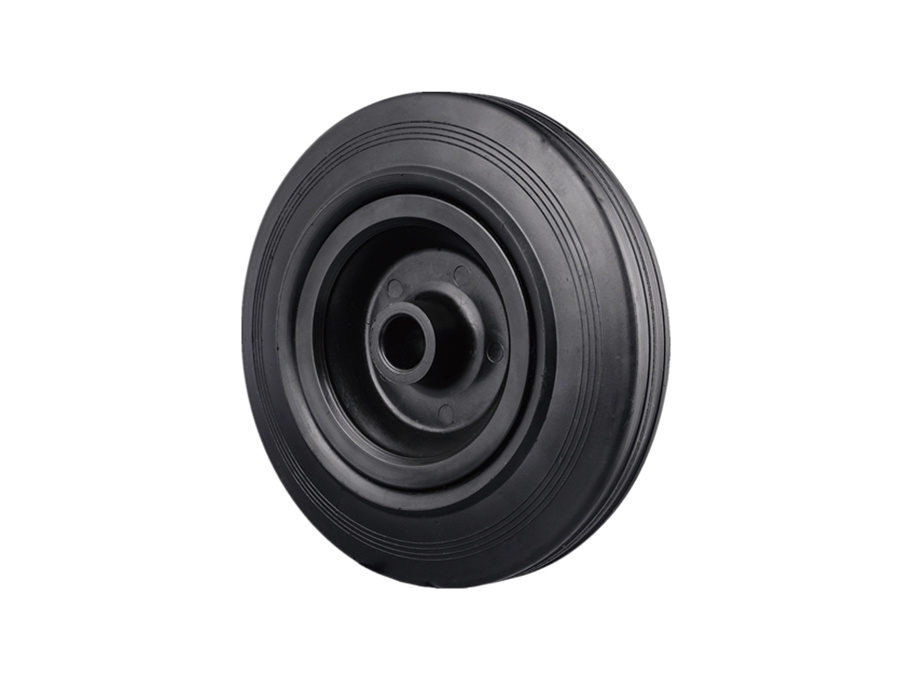
When it comes to enhancing the performance and safety of bicycles, solid rubber wheel bicycle auxiliary wheels have become an essential component for many riders. These wheels are designed to offer superior support and stability, especially for those who may struggle with balance or require additional assistance while riding.
One of the primary advantages of solid rubber wheels is their durability. Unlike traditional pneumatic tires, which can suffer from punctures and air pressure issues, solid rubber wheels provide a consistent ride without the need for maintenance. This makes them an excellent choice for riders who want to avoid the hassle of flat tires and the potential for mid-ride interruptions. The solid construction ensures that the wheels can withstand various terrains and conditions, making them suitable for both urban commuting and recreational biking.
Stability is another critical benefit of solid rubber wheel bicycle auxiliary wheels. They are especially beneficial for novice cyclists, children, or individuals with mobility challenges. The added support of auxiliary wheels can significantly reduce the fear of falling, enabling riders to build confidence and improve their riding skills. This stability can also be advantageous in various scenarios, such as transporting goods or navigating uneven surfaces, where balance is crucial.
In terms of performance, solid rubber wheels can enhance the overall efficiency of the bike. They typically feature a design that minimizes rolling resistance, allowing for smoother rides and improved speed. This is particularly beneficial for those who use their bicycles for longer distances or in competitive settings. Moreover, solid rubber wheels often come in various sizes and designs, allowing cyclists to choose options that best suit their riding style and needs.
Another noteworthy aspect of solid rubber wheel bicycle auxiliary wheels is their environmental impact. As they do not require air, which eliminates the need for potential rubber waste from punctured tires, they can be considered a more sustainable option for environmentally conscious consumers. Their longevity also contributes to reducing waste, as they tend to last longer than traditional tires.
In conclusion, solid rubber wheel bicycle auxiliary wheels present numerous benefits that can enhance the cycling experience for many riders. Their durability, stability, and improved performance make them a valuable addition to any bicycle setup. Whether you are a casual rider looking for more support or a seasoned cyclist aiming for efficiency, considering solid rubber wheels may lead to a more enjoyable and safer ride. As the cycling community continues to evolve, these wheels represent a practical and innovative solution to common biking challenges.
One of the primary advantages of solid rubber wheels is their durability. Unlike traditional pneumatic tires, which can suffer from punctures and air pressure issues, solid rubber wheels provide a consistent ride without the need for maintenance. This makes them an excellent choice for riders who want to avoid the hassle of flat tires and the potential for mid-ride interruptions. The solid construction ensures that the wheels can withstand various terrains and conditions, making them suitable for both urban commuting and recreational biking.
Stability is another critical benefit of solid rubber wheel bicycle auxiliary wheels. They are especially beneficial for novice cyclists, children, or individuals with mobility challenges. The added support of auxiliary wheels can significantly reduce the fear of falling, enabling riders to build confidence and improve their riding skills. This stability can also be advantageous in various scenarios, such as transporting goods or navigating uneven surfaces, where balance is crucial.
In terms of performance, solid rubber wheels can enhance the overall efficiency of the bike. They typically feature a design that minimizes rolling resistance, allowing for smoother rides and improved speed. This is particularly beneficial for those who use their bicycles for longer distances or in competitive settings. Moreover, solid rubber wheels often come in various sizes and designs, allowing cyclists to choose options that best suit their riding style and needs.
Another noteworthy aspect of solid rubber wheel bicycle auxiliary wheels is their environmental impact. As they do not require air, which eliminates the need for potential rubber waste from punctured tires, they can be considered a more sustainable option for environmentally conscious consumers. Their longevity also contributes to reducing waste, as they tend to last longer than traditional tires.
In conclusion, solid rubber wheel bicycle auxiliary wheels present numerous benefits that can enhance the cycling experience for many riders. Their durability, stability, and improved performance make them a valuable addition to any bicycle setup. Whether you are a casual rider looking for more support or a seasoned cyclist aiming for efficiency, considering solid rubber wheels may lead to a more enjoyable and safer ride. As the cycling community continues to evolve, these wheels represent a practical and innovative solution to common biking challenges.
solid rubber wheel bicycle auxiliary wheel
Our company has been pursuing high quality for many years. We hope to move from success to a better future on a win-win basis.
Contact number:
Contact number: 86-573-84061208
Fax number: 0573-84061933
Contact address: No.12, Shanying Road, Huimin Street, Jiashan County, Jiaxing City, Zhejiang Province
E-mail address:cherryning@rubber-wheels.com
Enterprise official website:www.chinazyxs.com
Copyright 2024 Jiaxing Zhiyue Rubber & Plastic Co., Ltd. All Rights Reserved