


News
Enhancing Bicycle Stability with Solid Rubber Wheel Auxiliary Systems
Release time:
2026-09-04 10:00
In the realm of cycling, the importance of stability cannot be overstated, particularly for novice riders or those using bicycles for specialized applications. Solid rubber wheel bicycle auxiliary wheels have emerged as a practical solution to enhance balance and safety, allowing riders to navigate diverse terrains with greater confidence.
Solid rubber wheels are engineered from high-quality mater
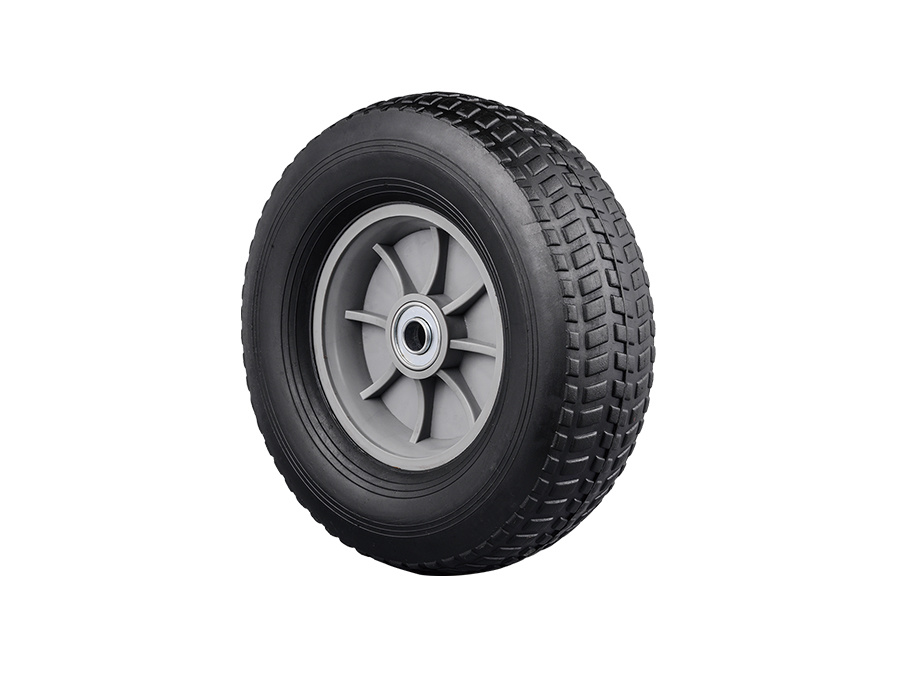
In the realm of cycling, the importance of stability cannot be overstated, particularly for novice riders or those using bicycles for specialized applications. Solid rubber wheel bicycle auxiliary wheels have emerged as a practical solution to enhance balance and safety, allowing riders to navigate diverse terrains with greater confidence.
Solid rubber wheels are engineered from high-quality materials that provide durability and resilience. Unlike traditional air-filled tires, solid rubber wheels eliminate the risk of punctures and deflation, making them an ideal choice for auxiliary applications. Their robust construction allows for extended usage across various environments, from urban streets to rugged trails. This reliability is especially crucial for users who depend on their bicycles for daily commuting or recreational activities.
One of the primary advantages of solid rubber wheel auxiliary wheels is their ability to offer a consistent ride quality. These wheels provide a stable base, facilitating smoother transitions during rides. This feature is particularly beneficial for children or individuals who may not yet possess the skills to balance effectively on two wheels. By incorporating auxiliary wheels, bicycles can transform into safer transportation options, thereby encouraging more individuals to embrace cycling as a viable mode of transport.
Moreover, solid rubber wheels can be tailored to fit a variety of bicycle models, making them versatile components within the cycling industry. Their design can accommodate different weight capacities and usage scenarios, ensuring that users receive a product that meets their specific needs. This adaptability is advantageous for manufacturers looking to enhance their product offerings in an increasingly competitive market.
From an engineering perspective, the integration of solid rubber wheel bicycle auxiliary wheels involves understanding the principles of weight distribution and balance. Properly aligning these auxiliary wheels with the main bicycle frame is critical to achieving optimal performance. Cyclists will benefit from reduced wobbling and improved overall stability, particularly during sharp turns or sudden stops.
In summary, solid rubber wheel bicycle auxiliary wheels represent a significant innovation in the cycling sector. Their durability, stability, and versatility make them an essential component for improving the riding experience, particularly for novice cyclists and those requiring additional support. As industry professionals, understanding the technical benefits and applications of these auxiliary wheels will empower you to advise clients effectively, ensuring they make informed decisions when selecting bicycle components. By embracing these advancements, we can promote safer, more enjoyable cycling experiences for all riders.
Solid rubber wheels are engineered from high-quality materials that provide durability and resilience. Unlike traditional air-filled tires, solid rubber wheels eliminate the risk of punctures and deflation, making them an ideal choice for auxiliary applications. Their robust construction allows for extended usage across various environments, from urban streets to rugged trails. This reliability is especially crucial for users who depend on their bicycles for daily commuting or recreational activities.
One of the primary advantages of solid rubber wheel auxiliary wheels is their ability to offer a consistent ride quality. These wheels provide a stable base, facilitating smoother transitions during rides. This feature is particularly beneficial for children or individuals who may not yet possess the skills to balance effectively on two wheels. By incorporating auxiliary wheels, bicycles can transform into safer transportation options, thereby encouraging more individuals to embrace cycling as a viable mode of transport.
Moreover, solid rubber wheels can be tailored to fit a variety of bicycle models, making them versatile components within the cycling industry. Their design can accommodate different weight capacities and usage scenarios, ensuring that users receive a product that meets their specific needs. This adaptability is advantageous for manufacturers looking to enhance their product offerings in an increasingly competitive market.
From an engineering perspective, the integration of solid rubber wheel bicycle auxiliary wheels involves understanding the principles of weight distribution and balance. Properly aligning these auxiliary wheels with the main bicycle frame is critical to achieving optimal performance. Cyclists will benefit from reduced wobbling and improved overall stability, particularly during sharp turns or sudden stops.
In summary, solid rubber wheel bicycle auxiliary wheels represent a significant innovation in the cycling sector. Their durability, stability, and versatility make them an essential component for improving the riding experience, particularly for novice cyclists and those requiring additional support. As industry professionals, understanding the technical benefits and applications of these auxiliary wheels will empower you to advise clients effectively, ensuring they make informed decisions when selecting bicycle components. By embracing these advancements, we can promote safer, more enjoyable cycling experiences for all riders.
solid rubber wheel bicycle auxiliary wheel
Previous Page
Our company has been pursuing high quality for many years. We hope to move from success to a better future on a win-win basis.
Contact number:
Contact number: 86-573-84061208
Fax number: 0573-84061933
Contact address: No.12, Shanying Road, Huimin Street, Jiashan County, Jiaxing City, Zhejiang Province
E-mail address:cherryning@rubber-wheels.com
Enterprise official website:www.chinazyxs.com
Copyright 2024 Jiaxing Zhiyue Rubber & Plastic Co., Ltd. All Rights Reserved