


News
A Deep Dive into the Durability of Semi Pneumatic Rubber Wheels
Release time:
2026-08-14 09:40
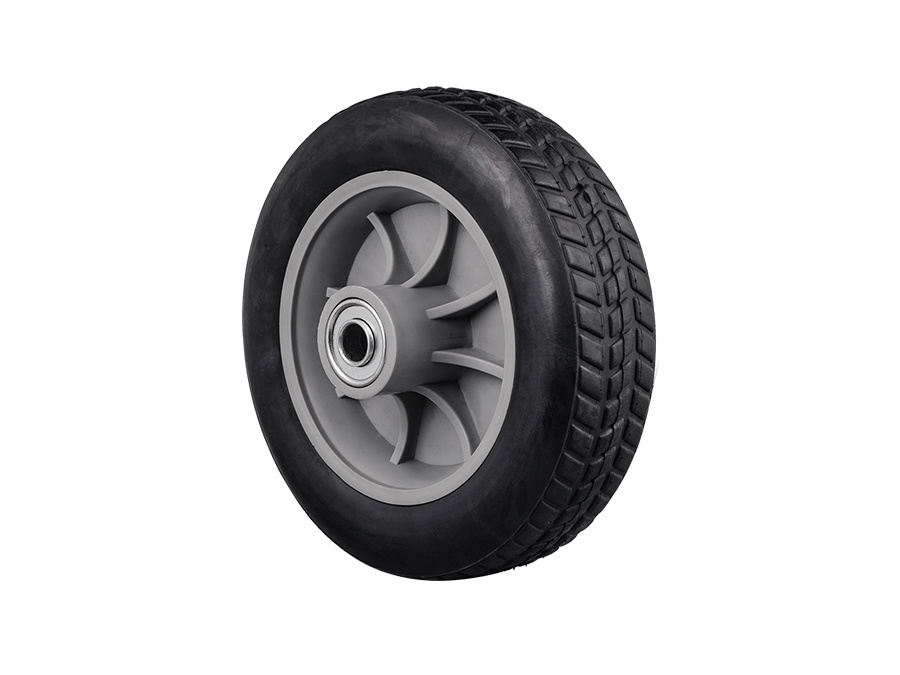
A Deep Dive into the Durability of Semi Pneumatic Rubber Wheels
When it comes to selecting the right wheels for your vehicles or equipment, understanding the nuances of their construction and materials is essential. Among the many options available, semi-pneumatic rubber wheels have gained significant popularity due to their unique blend of durability, performance, and versatility. In this article, we will explore the various aspects of semi-pneumatic rubber wheels, focusing specifically on their durability and the factors that contribute to their impressive performance.
Table of Contents
- What Are Semi Pneumatic Rubber Wheels?
- Construction Materials of Semi Pneumatic Rubber Wheels
- Factors Affecting Durability
- Advantages of Semi Pneumatic Wheels
- Applications of Semi Pneumatic Rubber Wheels
- Maintenance Tips for Longevity
- Common Misconceptions About Semi Pneumatic Wheels
- Conclusion
- Frequently Asked Questions
What Are Semi Pneumatic Rubber Wheels?
Semi-pneumatic rubber wheels are designed to combine the benefits of both solid and pneumatic wheels. These wheels feature a solid rubber outer layer that is often filled with a durable foam or air-filled chamber, providing cushioning without the risk of punctures. This unique construction allows them to support heavy loads while maintaining a smooth ride, making them an ideal solution for various applications.
Difference Between Pneumatic and Semi Pneumatic Wheels
While pneumatic wheels are fully air-filled and provide excellent shock absorption, they are susceptible to punctures and slow leaks. On the other hand, semi-pneumatic wheels offer a balance of cushioning and durability, effectively eliminating the downsides of traditional pneumatic options.
Construction Materials of Semi Pneumatic Rubber Wheels
The durability of semi-pneumatic rubber wheels is largely influenced by the materials used in their construction. Let’s take a closer look at the components that contribute to their resilience.
Outer Rubber Layer
The outer layer of semi-pneumatic wheels is typically made of high-quality rubber compounds. These compounds are engineered to withstand wear and tear from varied terrains, whether smooth pavements or rough, uneven surfaces. The rubber's composition can significantly affect its grip, flexibility, and overall durability.
Foam or Air-Filled Core
Inside the rubber outer layer, a foam core or air-filled chamber provides cushioning. The foam can be made from materials such as polyurethane, which offers excellent shock absorption while retaining shape under pressure. This core is crucial for maintaining the wheel's integrity, especially when subjected to heavy loads or impact.
Factors Affecting Durability
Several factors contribute to the overall durability of semi-pneumatic rubber wheels. Understanding these elements can help users select the right wheels for their needs and optimize their lifespan.
Load Capacity
Every semi-pneumatic wheel has a specified load capacity. Exceeding this limit can lead to deformation or premature wear. It is essential to choose wheels that can comfortably handle the intended load for optimal performance.
Temperature Resistance
Rubber compounds used in semi-pneumatic wheels must be resistant to varying temperatures. Extreme heat can cause the rubber to degrade, while freezing temperatures can make it brittle. Selecting wheels with appropriate temperature ratings is crucial for maintenance in diverse environments.
Environmental Factors
The environment in which the wheels operate plays a significant role in their durability. Exposure to harsh chemicals, UV light, and moisture can affect the rubber's integrity over time. Therefore, it's essential to consider the working conditions when selecting semi-pneumatic wheels.
Advantages of Semi Pneumatic Wheels
Semi-pneumatic rubber wheels offer several advantages that make them a preferred choice for various applications. Understanding these benefits can help users make an informed purchasing decision.
Enhanced Durability
Thanks to their robust construction, semi-pneumatic wheels are less likely to suffer from punctures or flats compared to traditional pneumatic wheels. This durability translates into less downtime and lower maintenance costs.
Improved Shock Absorption
The cushioning provided by the foam or air-filled core allows for improved shock absorption. This feature is particularly beneficial for equipment operating on uneven surfaces, reducing stress on both the wheels and the machinery they support.
Versatile Applications
Semi-pneumatic wheels are suitable for various applications, from hand trucks and dollies to lawn equipment and warehouse carts. Their versatility makes them an ideal choice for both residential and commercial use.
Applications of Semi Pneumatic Rubber Wheels
Due to their unique properties, semi-pneumatic rubber wheels find applications in numerous industries. Here are some common uses:
Material Handling Equipment
In warehouses and distribution centers, semi-pneumatic wheels are frequently utilized in pallet jacks, hand trucks, and carts. Their ability to handle heavy loads while providing a smooth ride makes them essential for efficient material handling.
Outdoor Equipment
Many outdoor tools, such as lawn mowers and garden carts, benefit from semi-pneumatic wheels. Their durability ensures they can withstand rough terrain and varied weather conditions.
Industrial Machinery
In manufacturing settings, semi-pneumatic wheels are often used in conveyor systems and mobile equipment, allowing for seamless movement across factory floors.
Maintenance Tips for Longevity
To ensure the longevity of semi-pneumatic rubber wheels, proper maintenance is essential. Here are some tips to keep your wheels in optimal condition:
Regular Inspection
Conduct regular inspections to check for signs of wear, cracks, or deformation. Early detection can prevent larger issues from developing.
Cleaning
Keep the wheels clean from debris, dirt, and moisture. Accumulated grime can cause premature wear and affect performance.
Proper Storage
When not in use, store equipment with semi-pneumatic wheels in a cool, dry place away from direct sunlight to prevent rubber degradation.
Common Misconceptions About Semi Pneumatic Wheels
Despite their popularity, certain misconceptions about semi-pneumatic rubber wheels persist. Here are a few of the most common:
They Are Not Suitable for Rough Terrain
This is false. Semi-pneumatic wheels are specifically designed to handle various surfaces, providing excellent traction and stability on rough terrain.
They Require Constant Inflation
Unlike full pneumatic wheels, semi-pneumatic wheels do not require inflation. This feature means users can enjoy hassle-free maintenance.
Conclusion
In summary, semi-pneumatic rubber wheels are an exceptional choice for anyone seeking durable, versatile, and low-maintenance wheel options. Their unique construction, combining the benefits of solid and pneumatic wheels, allows for enhanced performance across a range of applications. By understanding their composition, advantages, and maintenance requirements, users can maximize the lifespan and efficiency of their semi-pneumatic wheels. As technology continues to advance, these wheels will undoubtedly play an essential role in various industrious endeavors.
Frequently Asked Questions
1. Are semi-pneumatic wheels suitable for heavy loads?
Yes, semi-pneumatic wheels are designed to handle heavy loads effectively, making them ideal for material handling and industrial applications.
2. How do I know if my semi-pneumatic wheels need replacement?
Signs of wear, such as cracks, deformation, or reduced performance, indicate that it may be time to replace your wheels.
3. Can semi-pneumatic wheels be used outdoors?
Absolutely, semi-pneumatic wheels are suitable for outdoor use and can handle various terrains and weather conditions.
4. Do semi-pneumatic wheels require special maintenance?
While they require less maintenance than traditional pneumatic wheels, regular inspections and cleaning will help ensure their longevity.
5. What are the differences in performance between semi-pneumatic and solid wheels?
Semi-pneumatic wheels offer better shock absorption and cushioning compared to solid wheels while maintaining durability and puncture resistance, making them a superior choice for many applications.
semi pneumatic rubber wheel
Our company has been pursuing high quality for many years. We hope to move from success to a better future on a win-win basis.
Contact number:
Contact number: 86-573-84061208
Fax number: 0573-84061933
Contact address: No.12, Shanying Road, Huimin Street, Jiashan County, Jiaxing City, Zhejiang Province
E-mail address:cherryning@rubber-wheels.com
Enterprise official website:www.chinazyxs.com
Copyright 2024 Jiaxing Zhiyue Rubber & Plastic Co., Ltd. All Rights Reserved