


News
How to Maintain Your Solid Rubber Tires 8x1.75 for Longevity
Release time:
2026-07-03 10:30
How to Maintain Your Solid Rubber Tires 8x1.75 for Longevity
Maintaining solid rubber tires, particularly the 8x1.75 type, is crucial for extending their lifespan and ensuring optimal performance. These tires are commonly found on various vehicles, including bicycles, scooters, and carts. In this article, we will delve into effective maintenance practices, troubleshooting tips, and comprehensive g
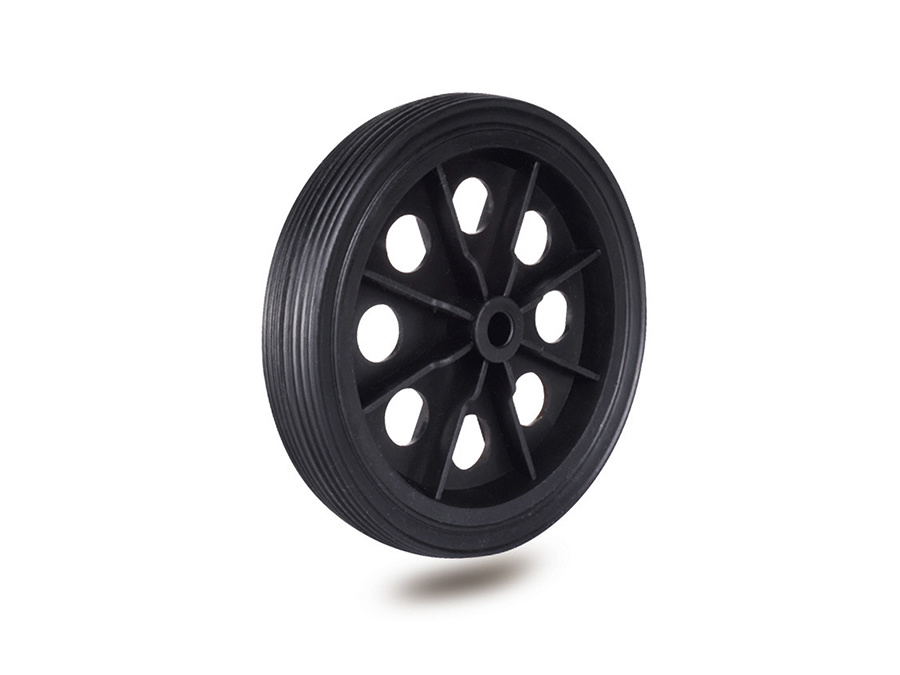
How to Maintain Your Solid Rubber Tires 8x1.75 for Longevity
Maintaining solid rubber tires, particularly the 8x1.75 type, is crucial for extending their lifespan and ensuring optimal performance. These tires are commonly found on various vehicles, including bicycles, scooters, and carts. In this article, we will delve into effective maintenance practices, troubleshooting tips, and comprehensive guidelines to enhance the longevity of your solid rubber tires.
Table of Contents
- Understanding Solid Rubber Tires
- The Importance of Maintenance
- Regular Inspection: What to Look For
- Cleaning Your Solid Rubber Tires
- Proper Storage Tips for Longevity
- Tire Rotation and Replacement
- Common Issues and Solutions
- Frequently Asked Questions
- Conclusion
Understanding Solid Rubber Tires
Solid rubber tires are designed for durability and resilience, making them a popular choice for various applications. Unlike pneumatic tires, which are air-filled, solid rubber tires offer a number of advantages:
- **Puncture Resistance**: Solid rubber tires are less susceptible to punctures, making them ideal for environments with sharp objects.
- **Consistent Performance**: They provide a stable ride and maintain performance regardless of temperature or pressure changes.
- **Lower Maintenance**: Solid rubber tires require less frequent maintenance compared to their air-filled counterparts.
However, despite their robust nature, proper maintenance is essential to ensure they deliver maximum performance and last longer.
The Importance of Maintenance
Regular maintenance of your 8x1.75 solid rubber tires is vital in preventing premature wear and ensuring safety during use. By adhering to a routine maintenance schedule, you can significantly extend the life of your tires and enhance their performance levels. Here are a few reasons why maintenance is critical:
- **Enhanced Safety**: Well-maintained tires improve traction and reduce the risk of accidents.
- **Cost Savings**: Extending the lifespan of your tires can lead to savings on replacements and repairs.
- **Performance Optimization**: Proper maintenance ensures your vehicle operates smoothly, enhancing overall performance.
Regular Inspection: What to Look For
Conducting regular inspections of your solid rubber tires is one of the most effective ways to maintain their integrity. Here’s what to check during your inspections:
1. Visual Inspections
Look for any signs of wear and tear, such as cracks, cuts, or uneven surfaces. Ensure that the tires are not showing any signs of delamination.
2. Surface Conditions
Examine the tread pattern for consistency. Although solid rubber tires do not have traditional treads, irregularities can indicate wear.
3. Wheel Alignment
Check for proper wheel alignment. Misalignment can cause uneven wear and affect handling.
Cleaning Your Solid Rubber Tires
Keeping your solid rubber tires clean is essential for maintaining their appearance and performance. Dirt, debris, and chemicals can degrade the rubber over time. Follow these steps for effective cleaning:
1. Gather Your Supplies
You will need:
- A soft-bristle brush
- Mild soap or tire cleaner
- Water
- A towel for drying
2. Cleaning Process
- Rinse the tires with water to remove loose debris.
- Apply a mild soap or tire cleaner with the brush, scrubbing gently to avoid damaging the surface.
- Rinse thoroughly and dry with a towel to prevent water spots and mildew.
Proper Storage Tips for Longevity
When not in use, proper storage of your solid rubber tires can significantly affect their lifespan. Here are some tips:
1. Keep in a Cool, Dry Place
Store your tires away from direct sunlight or extreme temperatures, as these can cause the rubber to degrade.
2. Positioning
Avoid stacking tires directly on top of each other. Instead, store them upright to maintain their shape.
3. Avoid Chemical Exposure
Keep tires away from oils, solvents, and other chemicals that can damage the rubber.
Tire Rotation and Replacement
Just like with traditional tires, rotating solid rubber tires can promote even wear. Here’s how to approach it:
1. Rotation Schedule
Consider rotating your tires every few months, or as recommended by the manufacturer, to ensure even wear.
2. When to Replace
Monitor the overall condition of your tires. If they show signs of significant wear or damage, replacement may be necessary to ensure safety and performance.
Common Issues and Solutions
Despite their durability, solid rubber tires can encounter issues. Here are some common problems and their solutions:
1. Cracking
**Solution**: If you notice cracks, it may be time to replace the tire, especially if they are deep and compromise integrity.
2. Uneven Wear
**Solution**: Check your wheel alignment and ensure proper inflation. If misaligned, have it adjusted by a professional.
3. Loss of Shape
**Solution**: Store tires upright and avoid placing heavy objects on them to maintain their shape.
Frequently Asked Questions
1. How often should I inspect my solid rubber tires?
It’s advisable to inspect them at least once a month, or before significant use.
2. Can I use chemical cleaners on solid rubber tires?
Avoid harsh chemicals; use mild cleaners to prevent damage to the rubber.
3. How can I tell if my tires need replacement?
Look for deep cracks, significant wear, or any deformities that could affect performance.
4. Is it necessary to rotate solid rubber tires?
Yes, rotating helps promote even wear and can enhance their lifespan.
5. What’s the best way to clean my solid rubber tires?
Use a soft-bristle brush with mild soap, rinse thoroughly, and dry to maintain their appearance.
Conclusion
In conclusion, maintaining your 8x1.75 solid rubber tires is essential for ensuring safety, performance, and longevity. By following the outlined practices, including regular inspections, cleaning, appropriate storage, and timely rotations, you can maximize the lifespan and efficiency of your tires. These simple yet effective maintenance strategies will not only protect your investment but also enhance your overall riding experience. Make tire care a priority, and you will reap the benefits in the long run.
solid rubber tire 8x1.75
Our company has been pursuing high quality for many years. We hope to move from success to a better future on a win-win basis.
Contact number:
Contact number: 86-573-84061208
Fax number: 0573-84061933
Contact address: No.12, Shanying Road, Huimin Street, Jiashan County, Jiaxing City, Zhejiang Province
E-mail address:cherryning@rubber-wheels.com
Enterprise official website:www.chinazyxs.com
Copyright 2024 Jiaxing Zhiyue Rubber & Plastic Co., Ltd. All Rights Reserved