


News
Understanding the Design Features of Solid Rubber Tires 8x1.75: A Comprehensive Guide
Release time:
2026-06-19 09:50
Understanding the Design Features of Solid Rubber Tires 8x1.75
Solid rubber tires, particularly the 8x1.75 models, have been gaining popularity due to their unique design features and multiple advantages. In this comprehensive guide, we delve into the various aspects of these tires, exploring their construction, benefits, applications, and maintenance. Whether you are a manufacturer, dealer, or a
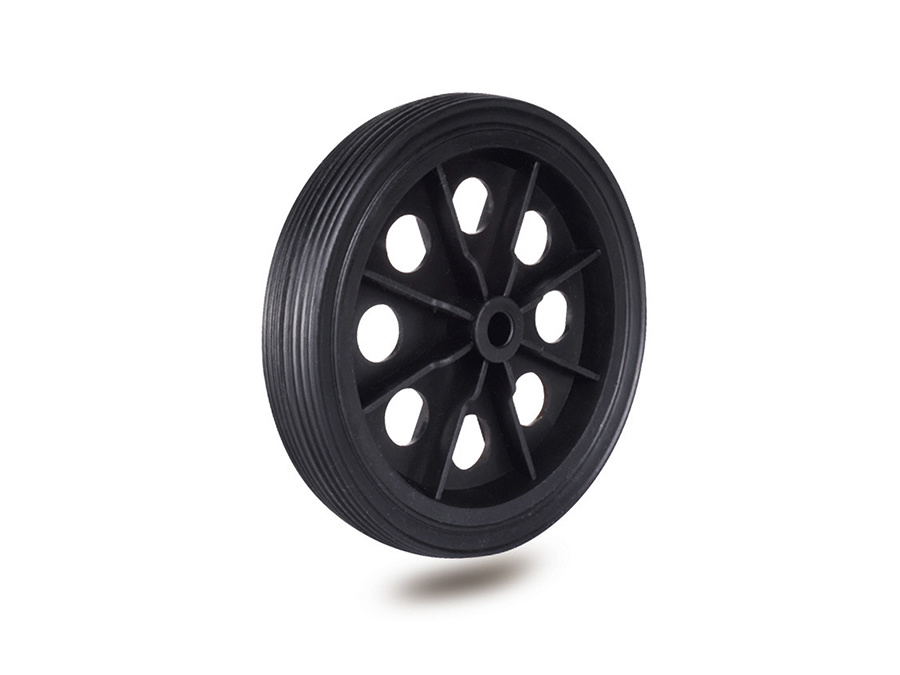
Understanding the Design Features of Solid Rubber Tires 8x1.75
Solid rubber tires, particularly the 8x1.75 models, have been gaining popularity due to their unique design features and multiple advantages. In this comprehensive guide, we delve into the various aspects of these tires, exploring their construction, benefits, applications, and maintenance. Whether you are a manufacturer, dealer, or a consumer, understanding these tires can help you make informed decisions.
Table of Contents
- 1. Introduction to Solid Rubber Tires
- 2. Key Design Features of Solid Rubber Tires 8x1.75
- 3. Advantages of Solid Rubber Tires
- 4. Applications of 8x1.75 Solid Rubber Tires
- 5. Maintenance Tips for Solid Rubber Tires
- 6. Frequently Asked Questions (FAQs)
- 7. Conclusion
1. Introduction to Solid Rubber Tires
Solid rubber tires are a specific type of tire that is entirely made of rubber without any air filling. The 8x1.75 dimension indicates a tire that is 8 inches in diameter and 1.75 inches wide. These tires are designed to withstand rough conditions while providing a smooth ride. They are particularly beneficial for various applications, including material handling equipment, small vehicles, and industrial carts.
2. Key Design Features of Solid Rubber Tires 8x1.75
Understanding the design features of solid rubber tires is essential to appreciate their functionality and advantages.
2.1 Material Composition
The primary material in solid rubber tires is high-quality rubber, which ensures durability and resilience. These tires may also incorporate additives to enhance performance characteristics such as abrasion resistance, UV stability, and temperature control. The lack of air in the tire design eliminates the risk of punctures, making them ideal for harsh working environments.
2.2 Tread Patterns and Surface Design
Tread patterns play a crucial role in the performance of solid rubber tires. The surface design is typically optimized for traction and stability. Common tread patterns include ribbed, block, and smooth designs. Ribbed patterns provide better grip on various surfaces, while smooth designs are ideal for indoor applications where floor surfaces are flat and clean.
2.3 Dimensions and Sizing
The 8x1.75 designation indicates specific measurements crucial for compatibility with various vehicles. This size is designed for small utility vehicles, scooters, and industrial carts, making it essential to select the correct size for optimal performance.
3. Advantages of Solid Rubber Tires
Solid rubber tires offer several benefits that make them a preferred choice for numerous applications.
3.1 Puncture Resistance
One of the most compelling advantages of solid rubber tires is their puncture resistance. Since they are solid, there is no risk of flats, making them reliable for continuous use in challenging environments.
3.2 Durability and Longevity
With a robust design, solid rubber tires can withstand heavy loads and rough terrain. Their resistance to wear and tear significantly extends their lifespan compared to traditional air-filled tires.
3.3 Low Maintenance
Solid rubber tires require minimal maintenance, which translates to lower operational costs. Users do not need to check air pressure or worry about maintenance issues related to punctures.
3.4 Enhanced Load-Bearing Capacity
Solid rubber tires are designed to handle heavy loads due to their solid construction. This makes them suitable for industrial applications where durability and reliability are paramount.
4. Applications of 8x1.75 Solid Rubber Tires
The versatility of solid rubber tires makes them suitable for various applications.
4.1 Material Handling Equipment
Many warehouses and distribution centers utilize solid rubber tires on equipment such as pallet jacks and forklifts. Their puncture-proof nature allows for uninterrupted service in busy environments.
4.2 Small Vehicles and Scooters
The 8x1.75 size is ideal for small electric vehicles and scooters, providing a smooth ride for users while ensuring safety and stability.
4.3 Industrial Carts
Solid rubber tires are often employed in industrial carts used for transporting goods within manufacturing and warehouse settings. They provide excellent maneuverability on various surfaces.
5. Maintenance Tips for Solid Rubber Tires
Maintaining solid rubber tires is straightforward, yet some practices can enhance their longevity and performance.
5.1 Regular Inspection
While solid rubber tires do not require air pressure checks, it is essential to inspect them regularly for signs of wear, cracks, or damage. This proactive approach can help identify issues early.
5.2 Cleaning and Care
Keeping tires clean can help prolong their lifespan. Regularly remove dirt, debris, and chemicals that may accumulate on the tire surface. A simple wash with soap and water will suffice.
5.3 Proper Storage
If you need to store solid rubber tires for an extended period, it is advisable to keep them in a cool, dry place away from direct sunlight. This will protect them from UV degradation.
6. Frequently Asked Questions (FAQs)
6.1 Are solid rubber tires suitable for outdoor use?
Yes, solid rubber tires are designed for both indoor and outdoor use, making them versatile for various applications.
6.2 How do solid rubber tires compare to pneumatic tires?
While pneumatic tires provide a cushioned ride and better shock absorption, solid rubber tires offer enhanced durability, puncture resistance, and lower maintenance.
6.3 What vehicles commonly use 8x1.75 solid rubber tires?
These tires are typically used on small electric vehicles, scooters, material handling equipment, and industrial carts.
6.4 Can solid rubber tires be repaired?
Generally, repairs are not recommended for solid rubber tires. If they sustain damage, replacement is usually the best option.
6.5 What is the lifespan of solid rubber tires?
The lifespan of solid rubber tires can vary based on usage and conditions, but they typically last significantly longer than traditional tires due to their robust construction.
7. Conclusion
Understanding the design features of solid rubber tires 8x1.75 provides valuable insights into their advantages and applications. These tires are built to last, offering puncture resistance, low maintenance, and exceptional load-bearing capacity. Whether for industrial use or personal mobility, solid rubber tires are a reliable choice that ensures safety and efficiency. Investing in high-quality solid rubber tires will ultimately lead to improved performance and reduced operational costs, making them an excellent addition to any vehicle or application.
solid rubber tire 8x1.75
Our company has been pursuing high quality for many years. We hope to move from success to a better future on a win-win basis.
Contact number:
Contact number: 86-573-84061208
Fax number: 0573-84061933
Contact address: No.12, Shanying Road, Huimin Street, Jiashan County, Jiaxing City, Zhejiang Province
E-mail address:cherryning@rubber-wheels.com
Enterprise official website:www.chinazyxs.com
Copyright 2024 Jiaxing Zhiyue Rubber & Plastic Co., Ltd. All Rights Reserved