


News
The Ultimate Guide to Selecting the Right Solid Rubber Wheel Size
Release time:
2026-06-08 14:00
The Ultimate Guide to Selecting the Right Solid Rubber Wheel Size
Introduction: Understanding Solid Rubber Wheels
Selecting the right solid rubber wheel is crucial for ensuring optimal performance, safety, and durability in various applications. From industrial machinery to personal mobility devices, the right wheel can make all the difference. In this guide, we will delve into the essential aspec
The Ultimate Guide to Selecting the Right Solid Rubber Wheel Size
Introduction: Understanding Solid Rubber Wheels
Selecting the right solid rubber wheel is crucial for ensuring optimal performance, safety, and durability in various applications. From industrial machinery to personal mobility devices, the right wheel can make all the difference. In this guide, we will delve into the essential aspects of solid rubber wheels, provide insights into various sizes, and help you navigate the selection process effectively.
Table of Contents
- 1. What Are Solid Rubber Wheels?
- 2. Benefits of Solid Rubber Wheels
- 3. Key Considerations for Selecting Wheel Size
- 4. Understanding Wheel Size Dimensions
- 5. Applications of Solid Rubber Wheels
- 6. Tips for Selecting the Right Size
- 7. Common Mistakes to Avoid
- 8. Frequently Asked Questions (FAQs)
- 9. Conclusion
1. What Are Solid Rubber Wheels?
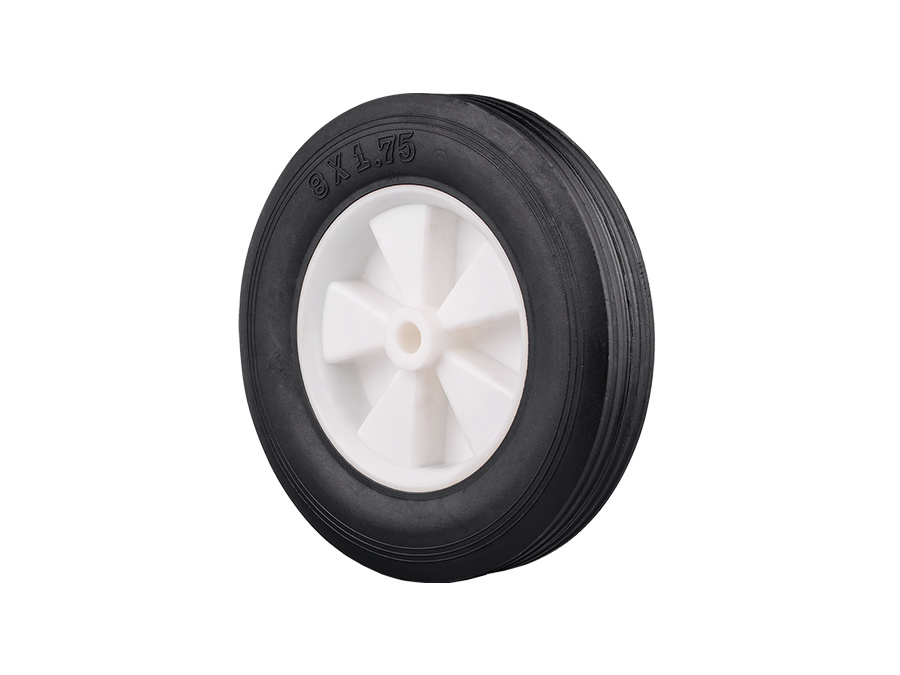
Solid rubber wheels are cylindrical components made entirely of rubber, designed for a variety of applications ranging from machinery to transportation. Unlike pneumatic wheels, which are filled with air, solid rubber wheels offer enhanced durability, resistance to punctures, and the ability to operate in challenging environments. Their construction allows them to absorb shock and provide a smooth ride, making them a preferred choice in many industries.
2. Benefits of Solid Rubber Wheels
Choosing solid rubber wheels comes with several benefits that make them a viable option for various applications:
Durability and Longevity
Solid rubber wheels are built to withstand wear and tear, making them suitable for heavy-duty use. Their robust construction ensures they last longer than traditional wheels, reducing replacement costs over time.
Puncture Resistance
One of the standout features of solid rubber wheels is their resistance to punctures. This makes them ideal for environments where sharp objects or rough terrains are present, eliminating the worry of flat tires.
Improved Load-Bearing Capacity
Solid rubber wheels can handle significant weight without compromising performance. This feature is particularly beneficial for industrial applications where heavy loads are a norm.
Maintenance-Free Operation
With no air to inflate or tubes to replace, solid rubber wheels require minimal maintenance. This ease of use contributes to their appeal in various settings.
3. Key Considerations for Selecting Wheel Size
When selecting the right size for solid rubber wheels, several factors come into play:
Load Requirements
Determine the weight the wheels will need to support. This is crucial in ensuring that the wheels can handle the intended load without failure.
Surface Type
Consider the types of surfaces the wheels will traverse. Different wheel sizes may perform better on smooth surfaces compared to rough or uneven terrains.
Speed and Mobility
Evaluate the desired speed and mobility. Larger wheels tend to roll more smoothly and can handle higher speeds, whereas smaller wheels may offer better control at lower speeds.
Mounting and Compatibility
Ensure the selected wheel size is compatible with the equipment or vehicle. Check the mounting specifications and dimensions to avoid compatibility issues.
4. Understanding Wheel Size Dimensions
Wheel size is typically denoted by two primary dimensions: diameter and width.
Diameter
The diameter of a wheel affects its performance characteristics. Larger diameters provide a smoother ride and better rolling efficiency on flat surfaces. However, they may not perform as well in tight spaces.
Width
The width of a wheel influences stability and load distribution. Wider wheels offer better stability, especially on uneven surfaces, while narrower wheels can facilitate easier maneuverability.
5. Applications of Solid Rubber Wheels
Solid rubber wheels are versatile and find applications in various sectors:
Industrial Machinery
These wheels are extensively used in warehouse trolleys, forklifts, and other industrial equipment due to their durability and load-bearing capacity.
Healthcare Equipment
In hospitals, solid rubber wheels are often used in wheelchairs and medical carts for their smooth operation and ease of maintenance.
Material Handling
Solid rubber wheels are perfect for material handling equipment such as dollies and hand trucks, where ease of movement and load support is paramount.
Outdoor Equipment
From garden carts to outdoor mobility devices, solid rubber wheels perform exceptionally well on various terrains, making them a popular choice for outdoor applications.
6. Tips for Selecting the Right Size
Choosing the correct wheel size requires careful consideration. Here are essential tips to guide your selection process:
Conduct a Needs Assessment
Evaluate the specific requirements of your application. Consider factors like load capacity, environmental conditions, and mobility needs.
Consult with Experts
Leverage the expertise of suppliers or manufacturers to gain insights into the best wheel sizes for your applications. Their experience can provide valuable guidance.
Test Before Committing
If possible, conduct tests with various wheel sizes in your specific application environment. This will help you determine the most suitable option.
Review Manufacturer Specifications
Always check manufacturer specifications and recommendations for wheel size. This ensures you are selecting a product that is optimal for its intended use.
7. Common Mistakes to Avoid
When selecting solid rubber wheels, avoid these common pitfalls:
Overlooking Load Ratings
Failing to consider load ratings can lead to wheel failure and safety hazards. Always select wheels that can handle the intended loads.
Ignoring Surface Compatibility
Using wheels not suited for specific surfaces can result in poor performance or damage. Ensure the wheel size and type match the intended surface conditions.
Neglecting Maintenance Considerations
While solid rubber wheels require less maintenance, it is essential to stay attentive to wear and tear. Regular checks can prolong their lifespan.
8. Frequently Asked Questions (FAQs)
What are the advantages of solid rubber wheels compared to pneumatic wheels?
Solid rubber wheels offer puncture resistance, lower maintenance requirements, and greater durability. They are ideal for demanding environments where air-filled tires may not perform well.
How do I determine the correct wheel size for my application?
Consider load requirements, surface types, desired speed, and compatibility with your equipment. Performing a needs assessment is crucial.
Can solid rubber wheels be used outdoors?
Yes, solid rubber wheels are suitable for outdoor use and perform well on various terrains. They are particularly effective in challenging environments.
How often should I check my solid rubber wheels for wear?
Regular checks are recommended, especially if the wheels are subjected to heavy loads or rough surfaces. Keeping an eye on wear can prevent unexpected failures.
Are solid rubber wheels environmentally friendly?
Many solid rubber wheels are made from recyclable materials, making them a more sustainable option compared to pneumatic alternatives. Always check the manufacturer's specifications for recycling information.
9. Conclusion
Selecting the right solid rubber wheel size is a critical decision that can greatly impact the performance and safety of your equipment. By understanding the benefits, key considerations, and tips for selection, you can make an informed choice that enhances efficiency and durability. Whether for industrial machinery, healthcare applications, or outdoor equipment, the right solid rubber wheels will ensure optimal performance and reliability. Invest the time to assess your needs, consult with experts, and choose wisely to reap the long-term benefits of your solid rubber wheel selection.
solid rubber wheel 10 inch
Our company has been pursuing high quality for many years. We hope to move from success to a better future on a win-win basis.
Contact number:
Contact number: 86-573-84061208
Fax number: 0573-84061933
Contact address: No.12, Shanying Road, Huimin Street, Jiashan County, Jiaxing City, Zhejiang Province
E-mail address:cherryning@rubber-wheels.com
Enterprise official website:www.chinazyxs.com
Copyright 2024 Jiaxing Zhiyue Rubber & Plastic Co., Ltd. All Rights Reserved