


News
Enhancing Vehicle Performance: The Advantages of Solid Rubber Wheels
Release time:
2026-05-27 15:40
How Solid Rubber Wheels Improve Vehicle Performance
Table of Contents
1. Introduction to Solid Rubber Wheels
2. Key Features of Solid Rubber Wheels
2.1 Durability and Longevity
2.2 Customization Options
3. How Solid Rubber Wheels Enhance Vehicle Performance
3.1 Superior Traction and Grip
3.2 Reduced Vibration and Improved Ride Quality
3.3 Noise Reduction for a Quieter Ride
4. Comparison with Tradi
How Solid Rubber Wheels Improve Vehicle Performance
Table of Contents
1. Introduction to Solid Rubber Wheels
2. Key Features of Solid Rubber Wheels
2.1 Durability and Longevity
2.2 Customization Options
3. How Solid Rubber Wheels Enhance Vehicle Performance
3.1 Superior Traction and Grip
3.2 Reduced Vibration and Improved Ride Quality
3.3 Noise Reduction for a Quieter Ride
4. Comparison with Traditional Tires
4.1 Advantages of Solid Rubber Over Pneumatic Tires
4.2 Cost-Effectiveness and Lifecycle Analysis
5. Applications of Solid Rubber Wheels in Various Industries
5.1 Industrial Equipment
5.2 Automotive and Recreational Vehicles
5.3 Material Handling and Logistics
6. Choosing the Right Solid Rubber Wheel for Your Vehicle
7. Frequently Asked Questions
8. Conclusion
1. Introduction to Solid Rubber Wheels
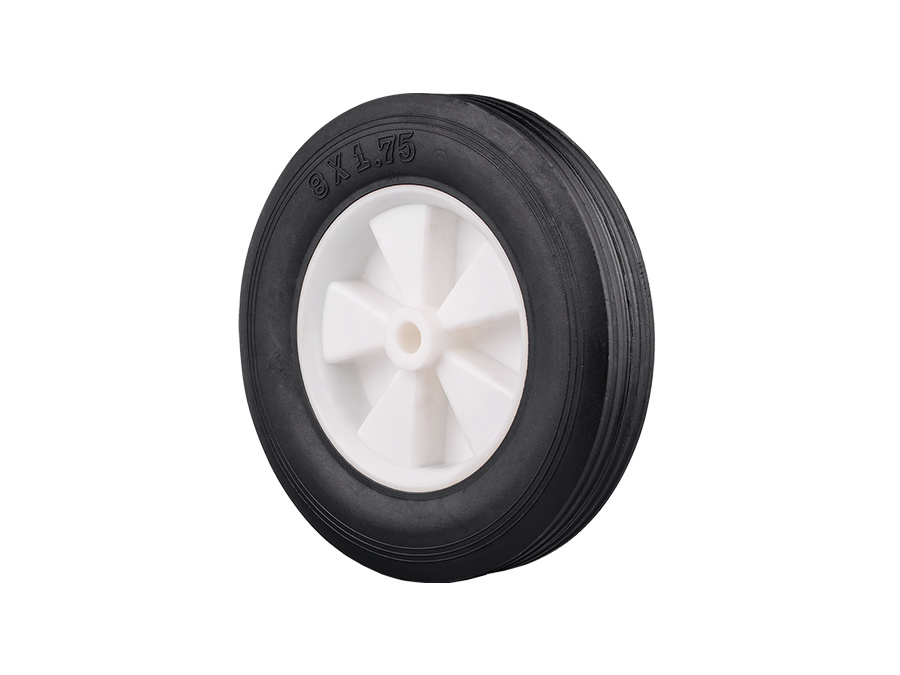
Solid rubber wheels are increasingly becoming a vital component in modern vehicles, offering distinct advantages that elevate vehicle performance. Unlike traditional pneumatic tires, these wheels are made entirely from solid rubber, eliminating the risk of air leaks and punctures. This article explores how solid rubber wheels enhance vehicle performance, delve into their key features, and compare their effectiveness to conventional tires.
2. Key Features of Solid Rubber Wheels
2.1 Durability and Longevity
One of the most significant benefits of solid rubber wheels is their unparalleled durability. These wheels are engineered to withstand heavy loads and harsh conditions, making them ideal for various applications. Their resistance to wear and tear often results in a longer lifespan compared to traditional tires, which may require frequent replacements.
2.2 Customization Options
Solid rubber wheels are versatile and can be tailored to meet specific needs. Manufacturers offer a range of sizes, shapes, and tread patterns, ensuring that these wheels can be optimized for various types of vehicles. This customization enhances performance by ensuring the wheels meet the unique demands of their operational environment.
3. How Solid Rubber Wheels Enhance Vehicle Performance
3.1 Superior Traction and Grip
One of the primary advantages of solid rubber wheels is their ability to provide superior traction and grip. The solid construction allows for a wider contact surface with the ground, improving the vehicle's stability and control. This is especially beneficial in challenging terrain where traditional tires may struggle to maintain grip.
3.2 Reduced Vibration and Improved Ride Quality
Solid rubber wheels significantly reduce vibrations felt by the vehicle and its occupants. The inherent properties of rubber absorb shocks and bumps, leading to a smoother ride. This improvement in ride quality can enhance driver comfort and reduce fatigue, particularly during long journeys.
3.3 Noise Reduction for a Quieter Ride
In addition to enhancing ride quality, solid rubber wheels contribute to a quieter driving experience. The solid structure minimizes noise generated by road contact, making them a popular choice for urban environments where noise pollution is a concern. This not only improves comfort but also promotes a more relaxed driving environment.
4. Comparison with Traditional Tires
4.1 Advantages of Solid Rubber Over Pneumatic Tires
When comparing solid rubber wheels to traditional pneumatic tires, several advantages stand out. Solid rubber wheels are puncture-proof, eliminating the risk of flat tires. They also require less maintenance, as there’s no need to monitor air pressure. This reliability is particularly valuable for vehicles operating in demanding conditions.
4.2 Cost-Effectiveness and Lifecycle Analysis
While the initial cost of solid rubber wheels may be higher than that of traditional tires, their longevity and reduced maintenance requirements make them a cost-effective option in the long run. By analyzing the lifecycle costs, including replacements and maintenance, users can see significant savings over time.
5. Applications of Solid Rubber Wheels in Various Industries
5.1 Industrial Equipment
Solid rubber wheels are widely used in industrial equipment, such as forklifts and pallet jacks. Their robustness makes them ideal for heavy-duty applications where performance and durability are critical.
5.2 Automotive and Recreational Vehicles
In the automotive sector, solid rubber wheels are gaining popularity for certain types of vehicles, including electric scooters, bicycles, and even some compact cars. Their lightweight nature and durability provide an excellent alternative to traditional tires.
5.3 Material Handling and Logistics
Logistics and material handling industries also benefit from solid rubber wheels. They are used in carts, trolleys, and other transport vehicles, enhancing performance and efficiency in warehouses and distribution centers.
6. Choosing the Right Solid Rubber Wheel for Your Vehicle
Selecting the appropriate solid rubber wheel involves considering several factors, including load capacity, size, and tread design. It's essential to evaluate the specific requirements of your vehicle and the environment in which it operates. Consulting with manufacturers or experts can help ensure the right choice for optimal performance.
7. Frequently Asked Questions
What are the benefits of using solid rubber wheels?
Solid rubber wheels offer numerous benefits, including durability, puncture resistance, improved traction, reduced noise, and lower maintenance costs.
How do solid rubber wheels compare to traditional tires?
Solid rubber wheels are more durable and require less maintenance compared to traditional pneumatic tires. They are puncture-proof and provide superior grip and ride quality.
Can solid rubber wheels be used on all types of vehicles?
While solid rubber wheels can be used on many types of vehicles, it's essential to choose the right size and design for specific applications. They are particularly effective for industrial and recreational vehicles.
Are solid rubber wheels cost-effective in the long run?
Yes, although the initial investment may be higher, solid rubber wheels tend to last longer and require less maintenance, leading to cost savings over time.
How can I maintain solid rubber wheels?
Solid rubber wheels require minimal maintenance. Regularly inspect for signs of wear and ensure they are clean to maximize performance.
8. Conclusion
Solid rubber wheels are revolutionizing vehicle performance across various industries. Their durability, traction, and reduced maintenance needs make them an advantageous choice over traditional pneumatic tires. With the ability to enhance ride quality, minimize noise, and offer customization options, solid rubber wheels are poised to lead the way in efficient and effective vehicle performance solutions. Whether for industrial use or personal vehicles, investing in solid rubber wheels promises substantial long-term benefits.
solid rubber wheel 10 inch
Previous Page
Our company has been pursuing high quality for many years. We hope to move from success to a better future on a win-win basis.
Contact number:
Contact number: 86-573-84061208
Fax number: 0573-84061933
Contact address: No.12, Shanying Road, Huimin Street, Jiashan County, Jiaxing City, Zhejiang Province
E-mail address:cherryning@rubber-wheels.com
Enterprise official website:www.chinazyxs.com
Copyright 2024 Jiaxing Zhiyue Rubber & Plastic Co., Ltd. All Rights Reserved