


News
Solid Rubber Wheels 8x2.5 vs. Traditional Tires: Which is Better for Your Vehicle?
Release time:
2026-04-10 09:50
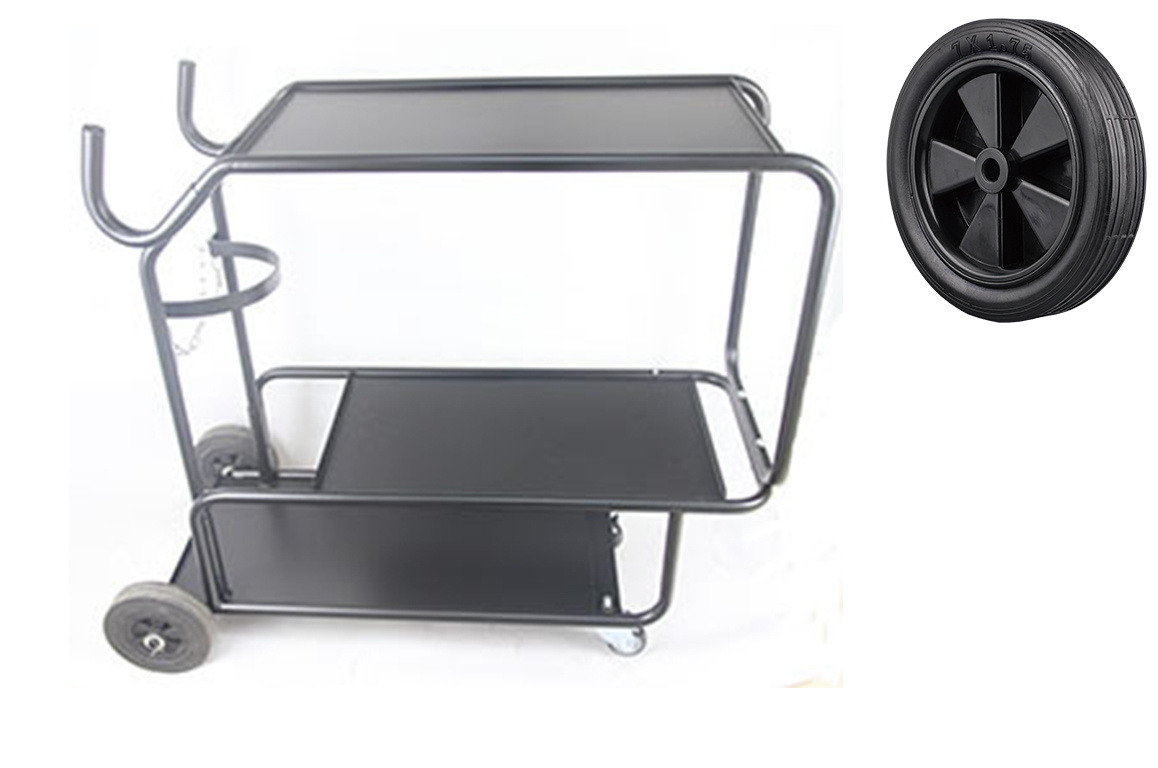
Solid Rubber Wheels 8x2.5 vs. Traditional Tires: Which is Better for Your Vehicle?
When it comes to choosing the right wheels for your vehicle, the debate between solid rubber wheels 8x2.5 and traditional tires is more relevant than ever. With advancements in materials and technology, understanding the benefits and drawbacks of each option is essential for making an informed decision. This article will provide an in-depth analysis of both types of wheels, focusing on their performance, durability, maintenance, and overall cost-effectiveness.
Table of Contents
- Introduction to Solid Rubber Wheels and Traditional Tires
- Performance Comparison: Solid Rubber Wheels vs. Traditional Tires
- Durability Analysis: Solid Rubber Wheels 8x2.5 vs. Traditional Tires
- Maintenance Considerations for Solid Rubber Wheels and Traditional Tires
- Cost Analysis: Solid Rubber Wheels vs. Traditional Tires
- Best Applications for Solid Rubber Wheels and Traditional Tires
- Environmental Impact of Solid Rubber Wheels Compared to Traditional Tires
- Conclusion: Making the Right Choice for Your Vehicle
- Frequently Asked Questions
Introduction to Solid Rubber Wheels and Traditional Tires
In the world of vehicle mobility, solid rubber wheels and traditional tires serve as fundamental components. Solid rubber wheels, specifically sized at 8x2.5, are increasingly becoming a popular choice for various applications such as material handling equipment, mobility scooters, and more. Meanwhile, traditional tires remain the standard for most vehicles, providing flexibility, comfort, and handling on the road.
This article aims to dissect the differences, advantages, and disadvantages of these two types of wheels, offering a comprehensive overview that enables vehicle owners to make the best choice suited to their specific needs.
Performance Comparison: Solid Rubber Wheels vs. Traditional Tires
Traction and Grip
Performance primarily hinges on traction and grip. Traditional tires, with their tread patterns and air-filled design, generally provide superior grip on various terrains. The ability to compress against the ground enhances their traction, especially on wet or uneven surfaces. In contrast, solid rubber wheels, while offering a stable surface, may struggle to provide the same level of grip due to their rigid nature.
Speed and Acceleration
When it comes to speed and acceleration, traditional tires take the lead. The air-filled design allows for quick acceleration and smooth deceleration. Solid rubber wheels, while durable, may not offer the same responsiveness, which can impact performance in high-speed scenarios.
Durability Analysis: Solid Rubber Wheels 8x2.5 vs. Traditional Tires
Resistance to Damage
One of the most significant advantages of solid rubber wheels is their resilience against punctures and cuts. Unlike traditional tires that can easily be compromised by sharp objects or rough terrains, solid rubber wheels maintain their integrity under harsh conditions. This durability makes them ideal for industrial applications or environments where traditional tires would fail.
Wear and Tear
While traditional tires may wear down over time, solid rubber wheels are engineered for longevity. They do not require air pressure maintenance and are less likely to experience blowouts, making them a reliable choice for constant use. However, it's essential to consider the trade-off; solid rubber wheels may not provide the same comfort level due to their rigid composition.
Maintenance Considerations for Solid Rubber Wheels and Traditional Tires
Routine Checks and Repairs
Traditional tires necessitate regular maintenance, including pressure checks, alignment adjustments, and periodic rotations. These practices enhance safety and ensure optimal performance. In contrast, solid rubber wheels demand less frequent upkeep, primarily due to their sturdiness. Owners can save time and money with solid rubber wheels, as they eliminate many of the routine checks associated with traditional tires.
Replacement Longevity
The lifespan of both types of wheels is another crucial factor. Traditional tires typically require replacement every few years, depending on usage and care. Solid rubber wheels can last considerably longer, often outlasting their traditional counterparts due to their impenetrable nature. This longevity can translate into significant savings over time.
Cost Analysis: Solid Rubber Wheels vs. Traditional Tires
Initial Investment
Initially, solid rubber wheels may carry a higher purchase price compared to traditional tires. However, this cost should be evaluated against their longevity and reduced maintenance needs. For businesses or individuals utilizing their vehicles frequently, the investment in solid rubber wheels can yield better long-term savings.
Overall Cost-Efficiency
While traditional tires may be cheaper upfront, the ongoing costs associated with maintenance, repairs, and replacements can accumulate. Solid rubber wheels, with their durability and lower maintenance requirements, often prove to be more cost-effective in the long run.
Best Applications for Solid Rubber Wheels and Traditional Tires
When to Choose Solid Rubber Wheels
Solid rubber wheels are best suited for environments where durability is paramount. They excel in settings such as warehouses, factories, and on equipment where punctures are a significant concern. Applications like dollies, forklifts, and mobility aids benefit immensely from the robust nature of solid rubber wheels.
When to Opt for Traditional Tires
Traditional tires are ideal for vehicles that require flexibility, comfort, and performance on various terrains, such as cars, trucks, and motorcycles. They are best suited for situations where speed and handling are priorities, especially in consumer vehicles that traverse diverse driving conditions.
Environmental Impact of Solid Rubber Wheels Compared to Traditional Tires
Environmental considerations are becoming increasingly important in our purchasing decisions. Solid rubber wheels, often made from recycled materials, can have a lower environmental impact in terms of waste and emissions during production. Traditional tires, on the other hand, can pose disposal challenges due to their materials and potential for environmental harm if not recycled properly.
Moreover, the longer lifespan of solid rubber wheels means fewer replacements and less waste generated over time, making them a more sustainable choice in many scenarios.
Conclusion: Making the Right Choice for Your Vehicle
In determining whether solid rubber wheels 8x2.5 or traditional tires are better for your vehicle, it's essential to consider your specific needs, usage patterns, and environment. Solid rubber wheels offer exceptional durability, lower maintenance costs, and are ideal for industrial applications, while traditional tires provide superior traction and comfort for everyday driving.
Ultimately, the decision comes down to evaluating the balance between performance needs and long-term costs. Whether you prioritize durability or flexibility, understanding the characteristics of both options will guide you to the perfect choice for your vehicle.
Frequently Asked Questions
1. What are solid rubber wheels used for?
Solid rubber wheels are commonly used in industrial settings, for mobility aids, and on equipment like forklifts and dollies due to their durability and resistance to punctures.
2. How long do solid rubber wheels last compared to traditional tires?
Solid rubber wheels generally last longer than traditional tires due to their robust construction, often outlasting them significantly, especially in constant use scenarios.
3. Are solid rubber wheels suitable for all terrains?
While solid rubber wheels offer great stability and durability, they may not provide the same level of traction and handling on uneven or wet terrains as traditional tires.
4. How do I maintain solid rubber wheels?
Solid rubber wheels require minimal maintenance. Regular inspections for wear and tear are sufficient, as they do not require air pressure checks or rotations like traditional tires.
5. What is the environmental impact of using solid rubber wheels?
Solid rubber wheels often use recycled materials, leading to a lower environmental impact in production and disposal compared to traditional tires, which can be more challenging to recycle.
solid rubber wheel 8x2.5
Our company has been pursuing high quality for many years. We hope to move from success to a better future on a win-win basis.
Contact number:
Contact number: 86-573-84061208
Fax number: 0573-84061933
Contact address: No.12, Shanying Road, Huimin Street, Jiashan County, Jiaxing City, Zhejiang Province
E-mail address:cherryning@rubber-wheels.com
Enterprise official website:www.chinazyxs.com
Copyright 2024 Jiaxing Zhiyue Rubber & Plastic Co., Ltd. All Rights Reserved