


News
Maximizing Durability: The Role of Solid Rubber Wheels 8x2.5 in Vehicle Maintenance
Release time:
2026-03-27 09:10
Maximizing Durability: The Role of Solid Rubber Wheels 8x2.5 in Vehicle Maintenance
Table of Contents
1. Introduction to Solid Rubber Wheels 8x2.5
2. Benefits of Solid Rubber Wheels
2.1 Durability and Longevity
2.2 Improved Performance
2.3 Low Maintenance Requirements
3. Applications of Solid Rubber Wheels 8x2.5
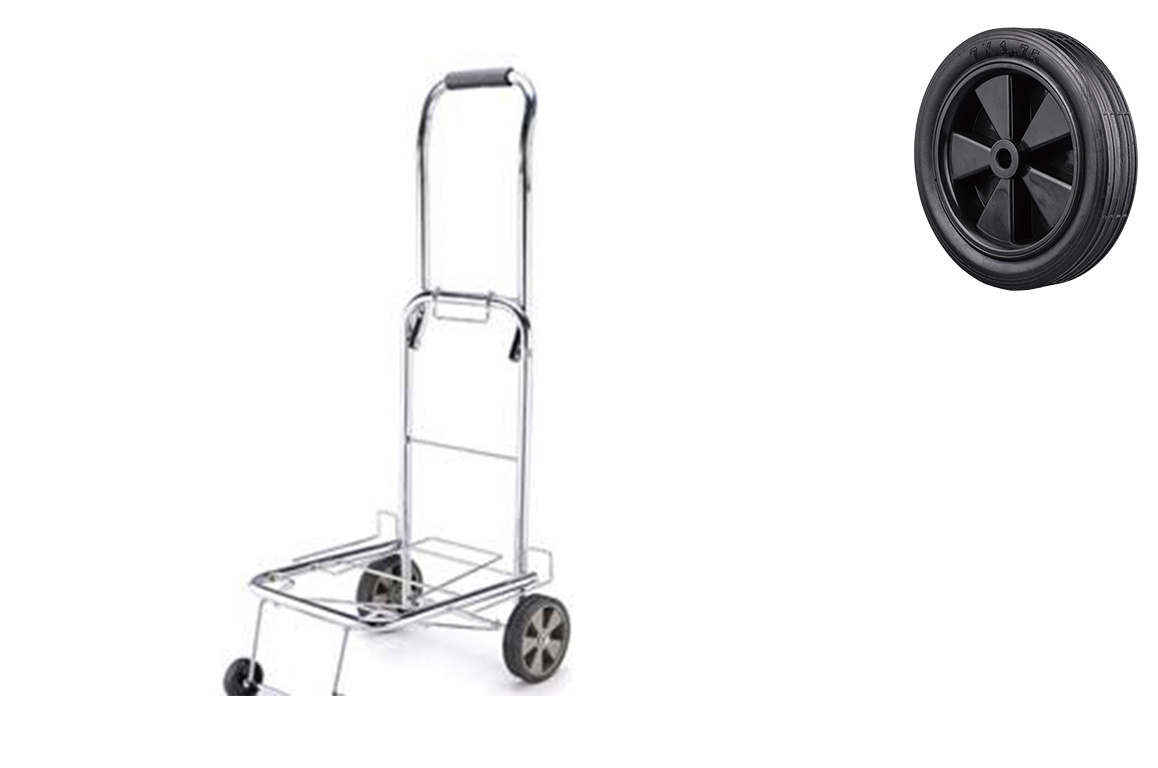
Maximizing Durability: The Role of Solid Rubber Wheels 8x2.5 in Vehicle Maintenance
Table of Contents
- 1. Introduction to Solid Rubber Wheels 8x2.5
- 2. Benefits of Solid Rubber Wheels
- 3. Applications of Solid Rubber Wheels 8x2.5
- 4. Understanding Solid Rubber Material
- 5. Selecting the Right Solid Rubber Wheels
- 6. Installation and Maintenance Tips
- 7. Frequently Asked Questions
- 8. Conclusion
1. Introduction to Solid Rubber Wheels 8x2.5
In the realm of vehicle maintenance, choosing the right wheels is crucial for ensuring optimal performance and durability. Solid rubber wheels, particularly the 8x2.5 variety, have emerged as an excellent choice for various applications. These wheels are designed to withstand harsh conditions while providing a stable and reliable platform for vehicles. In this article, we will delve into the numerous benefits of solid rubber wheels, their various applications, and tips for maintaining them to maximize their lifespan.
2. Benefits of Solid Rubber Wheels
2.1 Durability and Longevity
One of the standout features of solid rubber wheels 8x2.5 is their remarkable durability. Unlike traditional pneumatic tires, solid rubber wheels do not suffer from punctures or leaks, making them ideal for demanding environments. Their composition allows them to handle heavy loads and resist wear over time, ensuring that they last significantly longer than their inflatable counterparts. This durability translates to lower replacement costs and less downtime for vehicles.
2.2 Improved Performance
Solid rubber wheels offer consistent performance across various surfaces. Whether navigating gravel, asphalt, or concrete, the solid construction of these wheels provides excellent traction and stability. This performance is especially important for commercial and industrial vehicles that frequently operate in challenging conditions. The absence of air pressure fluctuations also means that solid rubber wheels maintain their shape and functionality, ensuring a smoother ride for operators and cargo.
2.3 Low Maintenance Requirements
Another major advantage of solid rubber wheels is their low maintenance requirements. Without the need for regular inflation checks, tread replacements, or puncture repairs, these wheels allow operators to focus on their primary tasks. Regular cleaning and occasional visual inspections are generally all that is needed to keep them in optimal condition. This ease of maintenance makes solid rubber wheels a preferred choice for fleet managers aiming to minimize operational disruptions.
3. Applications of Solid Rubber Wheels 8x2.5
Solid rubber wheels 8x2.5 are versatile components found in various applications across different industries. Their robust design and reliability make them suitable for both industrial and commercial uses.
3.1 Industrial Uses
In industrial settings, solid rubber wheels are commonly used on material handling equipment such as forklifts, pallet jacks, and trolleys. Their ability to handle heavy loads without compromising stability makes them ideal for warehouses and manufacturing facilities. Additionally, these wheels can operate effectively in environments with debris, reducing the risk of equipment damage.
3.2 Commercial Vehicles
Solid rubber wheels are also prevalent in commercial vehicles, including delivery vans and utility trucks. These vehicles often traverse urban environments where road conditions can vary significantly. The durability and performance of solid rubber wheels help ensure that delivery schedules are met without the interruptions caused by tire failures.
4. Understanding Solid Rubber Material
To fully appreciate the benefits of solid rubber wheels, it’s essential to understand the material composition and its advantages.
4.1 Composition of Solid Rubber
Solid rubber is formulated from a blend of synthetic and natural rubber compounds, designed to optimize strength and flexibility. This composition allows the wheels to endure heavy loads while providing shock absorption and resistance to environmental factors such as UV rays and chemicals. The manufacturing process ensures uniform density, leading to consistent performance across all wheels produced.
4.2 Advantages Over Pneumatic Tires
While pneumatic tires have their applications, solid rubber wheels possess distinct advantages. They eliminate the risk of flat tires, provide a more stable ride, and require less maintenance. Additionally, the solid construction of these wheels allows for better load distribution, reducing the strain on supporting systems and enhancing overall vehicle performance.
5. Selecting the Right Solid Rubber Wheels
Choosing the right solid rubber wheels for your vehicle involves several factors. First, consider the weight capacity of the wheels and ensure they match or exceed the requirements of your vehicle. Next, evaluate the application environment to determine if the wheels need additional features such as resistance to specific chemicals or extreme temperatures. Finally, look for reputable manufacturers that guarantee product quality and performance.
6. Installation and Maintenance Tips
Proper installation and maintenance are crucial to maximizing the lifespan of solid rubber wheels.
- **Installation**: Ensure that the wheels are installed correctly according to the manufacturer's guidelines. Use appropriate tools and techniques to secure the wheels firmly to the vehicle axles. Double-check to confirm that all components are aligned correctly to avoid uneven wear.
- **Maintenance**: Regularly clean the wheels to remove dirt and debris that can cause wear. Inspect the wheels for any signs of damage or wear and replace them promptly if necessary. Keeping the wheels lubricated and checking for alignment issues can also enhance their performance and durability.
7. Frequently Asked Questions
What are the primary benefits of solid rubber wheels 8x2.5?
Solid rubber wheels offer durability, low maintenance, and improved performance across various surfaces, making them ideal for industrial and commercial applications.
How do solid rubber wheels compare to pneumatic tires?
Solid rubber wheels do not suffer from punctures or air pressure issues, providing a more stable ride and requiring less maintenance than pneumatic tires.
In what environments are solid rubber wheels most effective?
These wheels excel in industrial and commercial settings, especially in environments with debris or rough surfaces where traditional tires may fail.
How can I extend the lifespan of my solid rubber wheels?
Regular cleaning, inspections, and ensuring proper installation can help extend the lifespan of solid rubber wheels.
Are solid rubber wheels suitable for all types of vehicles?
While solid rubber wheels are versatile, it’s essential to select the right size and specifications to match your vehicle's requirements.
8. Conclusion
In conclusion, solid rubber wheels 8x2.5 play a vital role in enhancing vehicle durability and performance. Their robust construction, low maintenance needs, and adaptability to various applications make them an excellent choice for anyone looking to maximize their vehicle’s longevity. By understanding the benefits, applications, and maintenance of solid rubber wheels, vehicle operators can make informed decisions that lead to improved efficiency and reduced costs in the long run. Investing in solid rubber wheels is not just a choice; it’s a strategy for success in vehicle maintenance.
solid rubber wheel 8x2.5
Our company has been pursuing high quality for many years. We hope to move from success to a better future on a win-win basis.
Contact number:
Contact number: 86-573-84061208
Fax number: 0573-84061933
Contact address: No.12, Shanying Road, Huimin Street, Jiashan County, Jiaxing City, Zhejiang Province
E-mail address:cherryning@rubber-wheels.com
Enterprise official website:www.chinazyxs.com
Copyright 2024 Jiaxing Zhiyue Rubber & Plastic Co., Ltd. All Rights Reserved