


News
Exploring the Versatility of 320mm Rubber Wheels Across Vehicles
Release time:
2026-03-13 09:40
Exploring the Versatility of 320mm Rubber Wheels Across Vehicles
Table of Contents
1. Introduction to 320mm Rubber Wheels
2. Key Benefits of 320mm Rubber Wheels
3. Applications of 320mm Rubber Wheels Across Different Vehicles
3.1. Automobiles
3.2. Motorcycles
3.3. Bicycles
3.4. Industrial Vehicles
4. The Materials B
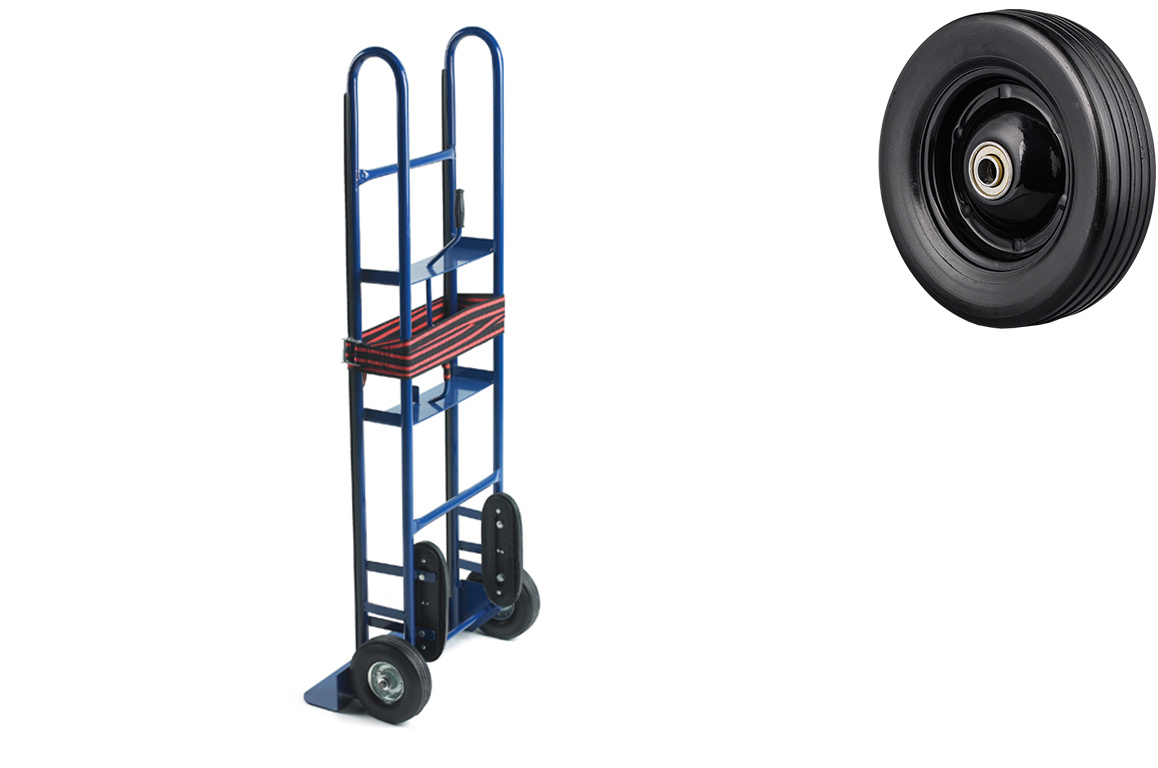
Exploring the Versatility of 320mm Rubber Wheels Across Vehicles
Table of Contents
- 1. Introduction to 320mm Rubber Wheels
- 2. Key Benefits of 320mm Rubber Wheels
- 3. Applications of 320mm Rubber Wheels Across Different Vehicles
- 4. The Materials Behind 320mm Rubber Wheels
- 5. Design Considerations for 320mm Rubber Wheels
- 6. Installing 320mm Rubber Wheels: A Step-by-Step Guide
- 7. Maintenance Tips for Longevity
- 8. Conclusion
1. Introduction to 320mm Rubber Wheels
In the world of automotive components, **320mm rubber wheels** have carved a unique niche due to their unparalleled versatility and functionality. These wheels are not only integral to the performance of various vehicles but also cater to a wide range of applications. From enhancing ride quality to improving load-bearing capacity, the benefits of 320mm rubber wheels are far-reaching. In this article, we will explore the dynamic aspects of these wheels, their applications across multiple vehicles, and how they contribute to enhanced performance and durability.
2. Key Benefits of 320mm Rubber Wheels
Understanding the advantages of **320mm rubber wheels** is crucial for anyone interested in vehicle performance and maintenance. Here are some key benefits:
2.1 Improved Traction
The design and material composition of **320mm rubber wheels** allow for optimal grip on various surfaces. This enhanced traction significantly reduces the risk of slippage, especially during adverse weather conditions, ensuring safer driving experiences.
2.2 Enhanced Ride Quality
Rubber wheels are known for their shock-absorbing properties. They effectively dampen vibrations and impacts from uneven surfaces, providing a smoother ride for both drivers and passengers. This aspect is particularly important in vehicles that frequently navigate rough terrain.
2.3 Versatility Across Vehicles
One of the standout features of **320mm rubber wheels** is their adaptability. They can be utilized in numerous vehicles, including cars, motorcycles, bicycles, and industrial machinery, making them a universal choice for various applications.
2.4 Durability and Longevity
Made from high-quality rubber compounds, these wheels exhibit remarkable resilience against wear and tear. With proper maintenance, **320mm rubber wheels** can last significantly longer than traditional wheels, making them a cost-effective choice.
2.5 Noise Reduction
Unlike hard wheels, rubber wheels provide a quieter operation. This characteristic makes them ideal for vehicles that require minimal noise, such as electric scooters and residential delivery vehicles.
3. Applications of 320mm Rubber Wheels Across Different Vehicles
The versatility of **320mm rubber wheels** is evident in their application across various types of vehicles. Below, we delve into specific uses in different categories.
3.1. Automobiles
In the automotive industry, **320mm rubber wheels** are commonly found in passenger cars, especially those designed for city commuting. Their lightweight nature combined with enhanced traction makes them well-suited for urban environments, where agility and efficiency are paramount.
3.2. Motorcycles
Motorcycles benefit greatly from **320mm rubber wheels**, particularly in terms of stability and cornering performance. Riders appreciate the added grip during turns, which not only enhances safety but also contributes to an exhilarating riding experience.
3.3. Bicycles
For bicycles, especially mountain and hybrid models, **320mm rubber wheels** provide the ideal balance between durability and performance. Their ability to absorb shock and maintain traction on rugged trails makes them a top choice for cycling enthusiasts.
3.4. Industrial Vehicles
In industrial applications, **320mm rubber wheels** are often used in forklifts, pallet jacks, and other material-handling equipment. The wheels’ load-bearing capacity and ability to navigate rough surfaces are critical for efficiency in warehouses and construction sites.
4. The Materials Behind 320mm Rubber Wheels
The performance of **320mm rubber wheels** is directly influenced by the materials used in their construction. Typically, rubber wheels are made from a blend of natural and synthetic rubber compounds, designed to offer a balance of flexibility and strength.
4.1 Natural Rubber
Natural rubber offers excellent elasticity and resilience, making it ideal for applications requiring frequent flexing and motion. Its superior grip ensures that vehicles maintain traction on various surfaces.
4.2 Synthetic Rubber
Synthetic rubber, such as styrene-butadiene rubber (SBR) and ethylene propylene diene monomer (EPDM), is commonly used for its durability and resistance to environmental factors. These materials enhance the overall performance and longevity of **320mm rubber wheels**.
4.3 Reinforcements
To further enhance the strength of rubber wheels, manufacturers often incorporate reinforcements like nylon or polyester. These materials provide additional support, preventing deformation under heavy loads.
5. Design Considerations for 320mm Rubber Wheels
Design plays a pivotal role in the performance of **320mm rubber wheels**. Several factors need to be taken into account during the design phase:
5.1 Tread Pattern
The tread pattern of a wheel significantly impacts its performance. Wheels designed with deep grooves and multi-directional patterns offer superior traction and grip, especially on wet or uneven surfaces.
5.2 Wheel Width and Profile
The width and profile of **320mm rubber wheels** are critical for stability and handling. Wider wheels often provide increased surface contact, which enhances traction, while the profile affects the wheel's ability to absorb shocks.
5.3 Load Rating
Manufacturers assign load ratings to wheels based on their design and material composition. It’s essential to choose **320mm rubber wheels** that meet or exceed the load requirements of the vehicle for optimal performance and safety.
6. Installing 320mm Rubber Wheels: A Step-by-Step Guide
Installing **320mm rubber wheels** requires careful consideration and proper technique. Here’s a straightforward guide to ensure a successful installation.
6.1 Gather Necessary Tools
Before starting the installation, gather the necessary tools, including a wrench, screwdriver, and any adapters that may be required for specific vehicles.
6.2 Remove Old Wheels
Begin by safely lifting the vehicle and removing the old wheels. Ensure you follow proper safety protocols to avoid accidents during this process.
6.3 Inspect the Wheel Axles
Before attaching the new **320mm rubber wheels**, inspect the wheel axles for wear and tear. Clean any debris or rust to ensure a smooth installation.
6.4 Attach the New Wheels
Position the **320mm rubber wheels** on the axles and secure them tightly using the appropriate tools. Ensure that each wheel is properly aligned to prevent uneven wear during use.
6.5 Test the Installation
Once installed, lower the vehicle and conduct a test to ensure that the wheels are functioning correctly. Pay attention to any unusual noises or vibrations, which may indicate improper installation.
7. Maintenance Tips for Longevity
Proper maintenance of **320mm rubber wheels** can significantly extend their lifespan. Here are some essential maintenance tips:
7.1 Regular Inspections
Conduct routine inspections of the wheels for signs of wear or damage. Look for cracks, uneven tread wear, and other issues that could compromise performance.
7.2 Cleaning
Keep the wheels clean by removing dirt and debris to prevent buildup that can lead to deterioration. Use mild soap and water, avoiding harsh chemicals that could damage the rubber.
7.3 Check Tire Pressure
Maintain optimal tire pressure according to manufacturer specifications. Properly inflated wheels enhance performance and reduce the risk of blowouts.
7.4 Store Properly
If the vehicle is not in use for an extended period, store it in a cool, dry place, away from direct sunlight. Proper storage conditions can prevent rubber deterioration.
8. Conclusion
In summary, **320mm rubber wheels** offer a remarkable blend of versatility, performance, and durability across various vehicles. Their ability to enhance traction, improve ride quality, and adapt to diverse applications makes them a preferred choice among automotive enthusiasts and industry professionals alike. By understanding their benefits, applications, and maintenance, consumers can make informed decisions that lead to improved vehicle performance and longevity. Investing in **320mm rubber wheels** is not just a choice; it is a step towards a superior driving experience.
320mm rubber wheels
Previous
Previous Page
Our company has been pursuing high quality for many years. We hope to move from success to a better future on a win-win basis.
Contact number:
Contact number: 86-573-84061208
Fax number: 0573-84061933
Contact address: No.12, Shanying Road, Huimin Street, Jiashan County, Jiaxing City, Zhejiang Province
E-mail address:cherryning@rubber-wheels.com
Enterprise official website:www.chinazyxs.com
Copyright 2024 Jiaxing Zhiyue Rubber & Plastic Co., Ltd. All Rights Reserved