


News
Top Features to Look for in Solid Rubber Wheel Bicycle Auxiliary Wheels
Release time:
2026-02-27 15:30
Top Features to Look for in Solid Rubber Wheel Bicycle Auxiliary Wheels
As biking enthusiasts, we understand the importance of stability and safety when cycling. Solid rubber wheel bicycle auxiliary wheels serve as a fantastic solution for enhancing the performance of your bicycle, particularly for young riders or those requiring extra support. In this comprehensive guide, we will explore the **to
Top Features to Look for in Solid Rubber Wheel Bicycle Auxiliary Wheels
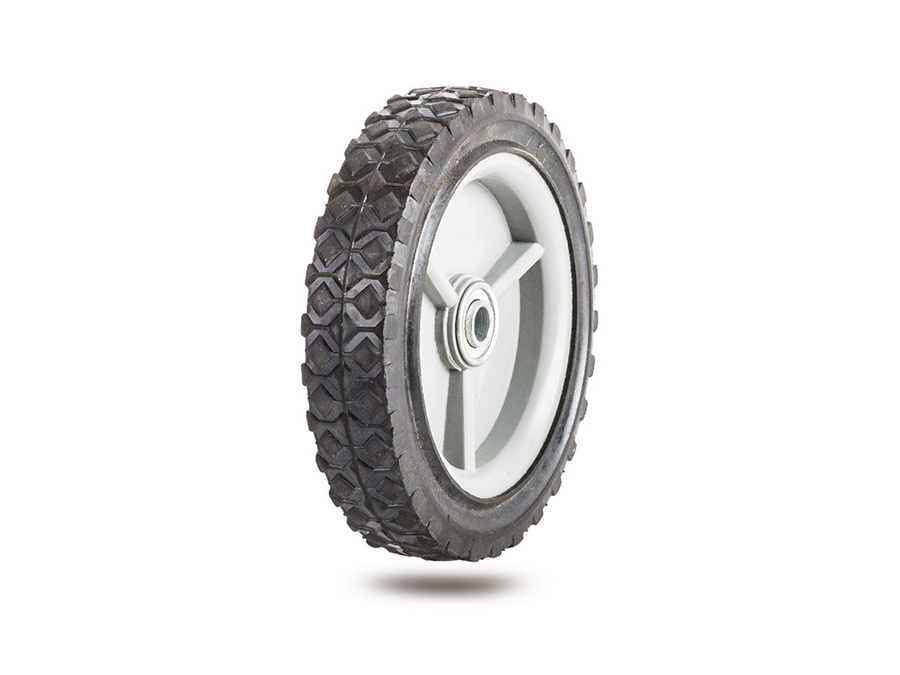
As biking enthusiasts, we understand the importance of stability and safety when cycling. Solid rubber wheel bicycle auxiliary wheels serve as a fantastic solution for enhancing the performance of your bicycle, particularly for young riders or those requiring extra support. In this comprehensive guide, we will explore the **top features** to consider when selecting solid rubber wheel bicycle auxiliary wheels.
Understanding Solid Rubber Wheel Bicycle Auxiliary Wheels
Solid rubber wheel auxiliary wheels provide additional support and stability to bicycles. Unlike traditional inflatable tires, solid rubber wheels offer several advantages, including reduced maintenance and increased durability. These features are particularly beneficial for young riders learning to navigate their bicycles, as well as for adults who may require extra support.
Why Choose Solid Rubber Wheels?
Solid rubber wheels come with a myriad of benefits, making them a popular choice for auxiliary wheels. Here are some reasons to consider:
1. Durability and Longevity
One of the most significant advantages of solid rubber wheels is their impressive durability. They are less likely to suffer from punctures and wear compared to traditional pneumatic tires, ensuring they can withstand various terrains without compromising performance.
2. Low Maintenance
Solid rubber wheels require minimal maintenance. Unlike air-filled tires that need regular inflation, solid rubber wheels maintain their shape and performance over time without constant attention.
3. Enhanced Stability
The solid construction of these wheels provides excellent stability, which is crucial for beginners and young cyclists. They allow for safer rides by minimizing the risk of tipping over.
4. Noise Reduction
Solid rubber wheels tend to produce less noise when rolling compared to plastic or other hard materials, contributing to a more pleasant riding experience.
Key Features to Look for in Solid Rubber Wheel Bicycle Auxiliary Wheels
When selecting solid rubber wheel bicycle auxiliary wheels, it's essential to consider the following features to ensure you make the best choice for your needs.
1. Wheel Size
The size of the auxiliary wheels you choose will depend on the bicycle's specifications and the rider's height and skill level. Common sizes range from 12 inches up to 16 inches.
Benefits of Choosing the Right Wheel Size
- **Improved Balance**: The right size wheels help maintain stability and balance, crucial for younger riders or those with limited cycling experience.
- **Compatibility**: Ensuring the auxiliary wheels fit the bicycle frame is vital for effective performance and safety.
2. Weight Capacity
Different auxiliary wheels have varying weight limits. It's crucial to check the manufacturer’s specifications to ensure the wheels can support the rider's weight adequately.
Importance of Weight Capacity
- **Safety**: Exceeding the weight limit can lead to wheel failure, posing safety risks.
- **Performance**: Adequate weight capacity ensures that the wheels perform optimally without strain.
3. Material Quality
The quality of the materials used in the construction of solid rubber wheels is a determining factor in their performance. High-quality solid rubber provides better shock absorption, leading to a smoother ride.
Types of Rubber Materials
- **Natural Rubber**: Offers excellent elasticity and durability.
- **Synthetic Rubber**: Provides resistance to weather and UV damage, enhancing longevity.
4. Tread Design
The tread design on solid rubber wheels impacts traction and maneuverability. Choosing a design that suits the riding conditions is essential.
Common Tread Patterns
- **Smooth Treads**: Ideal for flat surfaces, providing less rolling resistance.
- **Textured Treads**: Enhance grip and stability on uneven terrains.
5. Ease of Installation
An auxiliary wheel set that is easy to install will save you time and frustration. Look for designs that come with clear instructions and the necessary mounting hardware.
Key Considerations for Installation
- **Compatibility with Frame**: Ensure that the mounting system fits your bicycle.
- **Adjustment Features**: Some wheels offer adjustable heights for better customization.
6. Aesthetic Appeal
While performance is paramount, aesthetic appeal also matters, especially for younger riders who may be more motivated by the look of their bicycle.
Colors and Designs
- **Customization Options**: Many manufacturers offer a variety of colors to match the bicycle's design.
- **Trendy Patterns**: Engaging designs can increase enthusiasm among young cyclists.
7. Brand Reputation and Warranty
Opting for reputable brands can make a difference in quality. Additionally, a good warranty ensures you are covered in case of defects or issues.
Why Brand Reputation Matters
- **Quality Assurance**: Established brands typically offer higher quality products due to their reputation in the market.
- **Customer Support**: Reputable brands often provide better customer service and support.
Importance of Warranty
- **Peace of Mind**: A warranty can protect your investment, allowing you to replace or repair defective wheels without extra costs.
8. Price and Value for Money
Price is always a factor in any purchasing decision. While seeking budget-friendly options, consider the long-term value of your investment.
Balancing Cost and Quality
- **Initial Costs vs. Longevity**: Cheaper wheels may save money upfront but could lead to higher replacement costs in the future.
- **Feature Comparison**: Assess the features and benefits relative to the cost.
Installation Guide for Solid Rubber Wheel Bicycle Auxiliary Wheels
Installing solid rubber wheel bicycle auxiliary wheels can be straightforward if you follow these easy steps.
Tools You’ll Need
- Adjustable Wrench
- Screwdriver
- Measuring Tape
Step-by-Step Installation Process
1. **Select the Right Position**: Identify the best location for the auxiliary wheels on the bicycle frame, ensuring they are level.
2. **Attach the Mounting Bracket**: Use the adjustable wrench to secure the mounting bracket to the frame.
3. **Position the Wheels**: Slide the solid rubber wheels onto the brackets, aligning them properly.
4. **Secure the Wheels**: Tighten all screws and bolts to ensure they are fixed securely.
5. **Test for Stability**: Once installed, carefully check the wheels by lifting the bicycle to ensure they are properly mounted and stable.
Frequently Asked Questions (FAQs)
1. How do solid rubber wheels compare to inflatable tires?
Solid rubber wheels offer better durability and lower maintenance than inflatable tires, as they do not require inflation and are less prone to punctures. However, they may provide less shock absorption compared to pneumatic options.
2. Are solid rubber auxiliary wheels suitable for all bicycle types?
While they are versatile and can be used on various bicycles, it's essential to check the manufacturer's recommendations for compatibility with specific models.
3. How can I ensure the wheels will fit my bicycle?
Measuring the rear frame where the wheels will attach is critical. Consult the product specifications for compatible sizes and weight capacities.
4. How often should I check the condition of auxiliary wheels?
Regularly inspect the wheels for any signs of wear, damage, or loose fittings, especially after extended use or rough terrain.
5. Can I install solid rubber wheels myself, or do I need a professional?
Most solid rubber wheels come with installation instructions making it possible for an individual to install them with basic tools. However, if you are unsure, consulting a professional is advisable.
Conclusion
Choosing the right solid rubber wheel bicycle auxiliary wheels is essential for enhancing safety and stability during rides. By considering factors such as wheel size, weight capacity, material quality, tread design, and installation ease, you can make informed decisions that cater to your cycling needs. Additionally, focusing on reputable brands and warranties can safeguard your investment for years to come. With this comprehensive guide at your side, you're now equipped to select the best auxiliary wheels that will elevate your cycling experience. Embrace the joy of cycling with the right auxiliary support, ensuring every ride is safe, enjoyable, and stylish!
solid rubber wheel bicycle auxiliary wheel
Previous Page
Our company has been pursuing high quality for many years. We hope to move from success to a better future on a win-win basis.
Contact number:
Contact number: 86-573-84061208
Fax number: 0573-84061933
Contact address: No.12, Shanying Road, Huimin Street, Jiashan County, Jiaxing City, Zhejiang Province
E-mail address:cherryning@rubber-wheels.com
Enterprise official website:www.chinazyxs.com
Copyright 2024 Jiaxing Zhiyue Rubber & Plastic Co., Ltd. All Rights Reserved