


News
The Ultimate Guide to Choosing the Right 200x50 Rubber Wheel
Release time:
2025-11-18 12:30
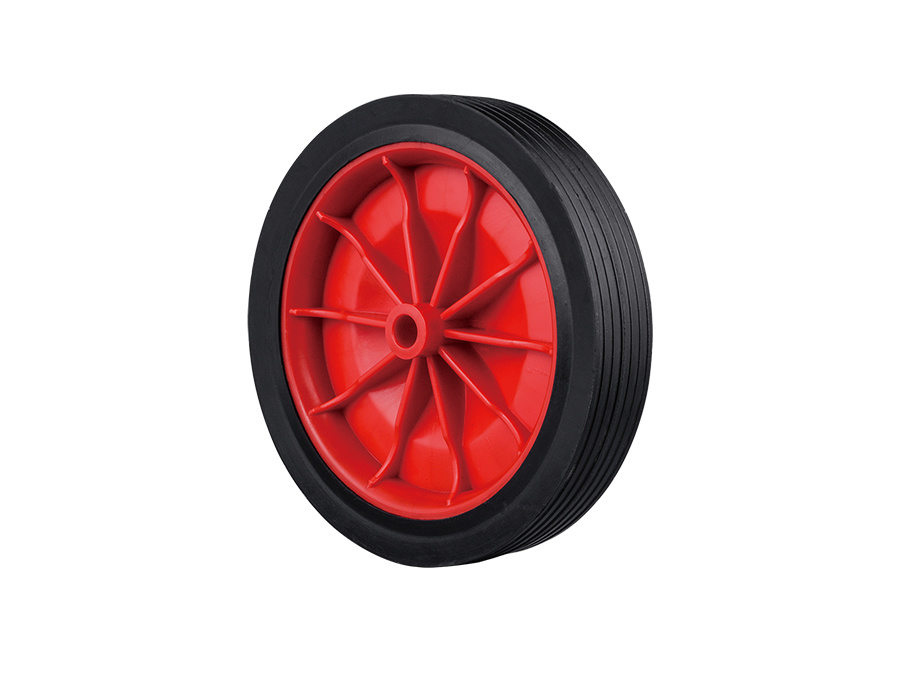
The Ultimate Guide to Choosing the Right 200x50 Rubber Wheel
When it comes to selecting the right rubber wheel for your vehicle or equipment, understanding the specifications, features, and applications is crucial. The 200x50 rubber wheel is a popular choice across various industries, including automotive, material handling, and recreational vehicles. This guide will provide you with all the necessary information to make an informed decision when purchasing a 200x50 rubber wheel.
Table of Contents
- What is a 200x50 Rubber Wheel?
- Key Specifications and Features of 200x50 Rubber Wheels
- Different Types of 200x50 Rubber Wheels
- Applications of 200x50 Rubber Wheels
- How to Choose the Right 200x50 Rubber Wheel
- Maintaining Your 200x50 Rubber Wheel
- Common Issues and Solutions
- Frequently Asked Questions
- Conclusion
What is a 200x50 Rubber Wheel?
A 200x50 rubber wheel is characterized by its dimensions: a diameter of 200 millimeters and a width of 50 millimeters. These wheels are typically constructed from durable rubber materials, which offer excellent grip and shock absorption. They are designed for various applications, including carts, dollies, and bicycles, providing seamless mobility and stability.
Why Choose Rubber Wheels?
Rubber wheels, particularly those sized 200x50, are favored due to their ability to provide a smooth ride while minimizing vibration. The rubber material also allows for better traction on various surfaces, making them an ideal choice for both indoor and outdoor applications. Moreover, they are quieter than wheels made of metal or plastic, contributing to a more pleasant user experience.
Key Specifications and Features of 200x50 Rubber Wheels
Understanding the specifications and features of the 200x50 rubber wheel is essential for making an informed choice. Here are some key aspects to consider:
Load Capacity
The load capacity of a 200x50 rubber wheel typically ranges from 100 to 200 kg, depending on the specific model and design. When selecting a wheel, ensure that its load capacity meets or exceeds your requirements.
Wheel Type
Different types of 200x50 wheels exist, including solid rubber wheels, pneumatic (air-filled) wheels, and semi-pneumatic wheels. Solid rubber wheels are ideal for flat surfaces, while pneumatic wheels provide better cushioning and shock absorption on uneven terrain. Semi-pneumatic wheels offer a balance between the two.
Durability and Material Quality
The quality of rubber used in the construction of the wheel is crucial for its longevity. Look for wheels made from high-quality, wear-resistant rubber compounds to ensure that they can withstand rough usage over time.
Different Types of 200x50 Rubber Wheels
Choosing the right type of 200x50 rubber wheel is essential based on your application. Here are some common types:
Solid Rubber Wheels
These wheels are made entirely of rubber, offering excellent durability and resistance to punctures. They are ideal for use on smooth surfaces and are commonly found in carts and trolleys.
Pneumatic Rubber Wheels
Pneumatic wheels feature a hollow design filled with air, providing a cushioned ride. They are suitable for uneven surfaces and rough terrains, making them popular in outdoor applications.
Semi-Pneumatic Rubber Wheels
Semi-pneumatic wheels are a hybrid design that combines the features of solid and pneumatic wheels. They provide a balance of cushioning and resistance to punctures, making them versatile for various uses.
Applications of 200x50 Rubber Wheels
The versatility of 200x50 rubber wheels allows them to be used in various applications, including:
Material Handling
These wheels are frequently used in hand trucks, pallet jacks, and carts for transporting goods, making them a staple in warehouses and factories.
Recreational Vehicles
Many bicycles and scooters use 200x50 rubber wheels due to their stability and ability to provide a smooth ride.
Industrial Equipment
In factories, 200x50 rubber wheels are often used on conveyor belts and other machinery, facilitating the movement of products through the production process.
How to Choose the Right 200x50 Rubber Wheel
Selecting the right 200x50 rubber wheel involves several factors. Here’s a step-by-step guide to help you make the best choice:
1. Determine Your Load Requirements
Before selecting a wheel, assess the load it needs to carry. Ensure that the wheel's load capacity aligns with your requirements.
2. Consider the Surface Type
Identify the surfaces where the wheels will be used. For smooth surfaces, solid rubber wheels are ideal, whereas pneumatic wheels are better for rough terrains.
3. Assess Environmental Conditions
Consider whether the wheels will be exposed to harsh conditions, chemicals, or extreme temperatures. Choose a wheel that can withstand these conditions for optimal performance.
4. Evaluate Wheel Type
Decide whether you need solid, pneumatic, or semi-pneumatic wheels based on your specific needs and usage scenarios. Each type has benefits that suit different applications.
5. Check for Quality and Warranty
Invest in high-quality wheels from reputable manufacturers. A good warranty can also signify the manufacturer's confidence in their product.
Maintaining Your 200x50 Rubber Wheel
Proper maintenance of your 200x50 rubber wheels can extend their lifespan significantly. Here are some maintenance tips:
Regular Inspections
Periodically check the wheels for signs of wear, such as cracks, flat spots, or loss of air in pneumatic models. Early detection can help you avoid further damage.
Cleaning
Keep the wheels clean to prevent dirt and debris from accumulating. Use water and a mild detergent to remove grime, especially if the wheels have been used outdoors.
Proper Storage
When not in use, store the wheels in a cool, dry place to prevent degradation of the rubber material. Avoid exposing them to direct sunlight for extended periods.
Common Issues and Solutions
Like any product, 200x50 rubber wheels can present some issues. Here are common problems and their solutions:
Flat Spots
Flat spots can occur when wheels are stationary for too long. To remedy this, rotate the wheels regularly or store them without bearing weight on them.
Punctures in Pneumatic Wheels
If pneumatic wheels get punctured, they can be repaired with a patch kit. However, if the damage is extensive, consider replacing the wheel.
Wear and Tear
Over time, wear and tear can affect performance. Regular inspections and timely replacements are essential for maintaining optimal functionality.
Frequently Asked Questions
1. What is the typical lifespan of a 200x50 rubber wheel?
The lifespan varies based on usage and maintenance, but with proper care, they can last several years.
2. Can I use 200x50 rubber wheels outdoors?
Yes, many 200x50 rubber wheels are suitable for outdoor use, especially pneumatic models that offer better shock absorption.
3. Are solid rubber wheels better than pneumatic wheels?
It depends on the application. Solid rubber wheels are ideal for smooth surfaces, while pneumatic wheels excel on uneven terrains.
4. How do I know what load capacity I need?
Calculate the total weight of the items the wheel will carry, including any additional factors like dynamic loads during movement.
5. Is it worth investing in high-quality rubber wheels?
Yes, investing in quality wheels can lead to better performance, longevity, and overall value, reducing the need for frequent replacements.
Conclusion
Choosing the right 200x50 rubber wheel can greatly impact the functionality and efficiency of your vehicle or equipment. By understanding the specifications, applications, and maintenance required, you can make informed decisions that enhance your mobility solutions. Whether you are dealing with material handling, recreational vehicles, or industrial equipment, selecting a high-quality wheel tailored to your needs will ensure optimal performance and longevity. With this guide in hand, you are now equipped to make a well-informed choice for your 200x50 rubber wheel needs.
200x50 rubber wheel
Our company has been pursuing high quality for many years. We hope to move from success to a better future on a win-win basis.
Contact number:
Contact number: 86-573-84061208
Fax number: 0573-84061933
Contact address: No.12, Shanying Road, Huimin Street, Jiashan County, Jiaxing City, Zhejiang Province
E-mail address:cherryning@rubber-wheels.com
Enterprise official website:www.chinazyxs.com
Copyright 2024 Jiaxing Zhiyue Rubber & Plastic Co., Ltd. All Rights Reserved