


News
How Solid Rubber Tires 8x1.75 Enhance Performance in Various Environments
Release time:
2025-01-14 17:20
How Solid Rubber Tires 8x1.75 Enhance Performance in Various Environments
Table of Contents
1. Introduction to Solid Rubber Tires
2. Understanding the 8x1.75 Tire Specification
3. Advantages of Solid Rubber Tires
3.1 Durability and Longevity
3.2 Puncture Resistance
3.3 Low Maintenance
4. Performance in Different Environments
4.1 Urban Environments
4.2 Off-Road Conditions
4.3 Indoor Applications
5.
How Solid Rubber Tires 8x1.75 Enhance Performance in Various Environments
Table of Contents
1. Introduction to Solid Rubber Tires
2. Understanding the 8x1.75 Tire Specification
3. Advantages of Solid Rubber Tires
3.1 Durability and Longevity
3.2 Puncture Resistance
3.3 Low Maintenance
4. Performance in Different Environments
4.1 Urban Environments
4.2 Off-Road Conditions
4.3 Indoor Applications
5. Comparison with Other Tire Types
6. Choosing the Right Solid Rubber Tire
7. Frequently Asked Questions (FAQs)
8. Conclusion
1. Introduction to Solid Rubber Tires
Solid rubber tires have emerged as a popular choice for various applications, ranging from industrial vehicles to personal mobility devices. Unlike traditional pneumatic tires, these tires are made entirely from solid rubber, providing unique advantages that cater to specific performance requirements in diverse environments. This article will delve into how solid rubber tires 8x1.75 enhance performance and demonstrate their versatility across different terrains.
2. Understanding the 8x1.75 Tire Specification
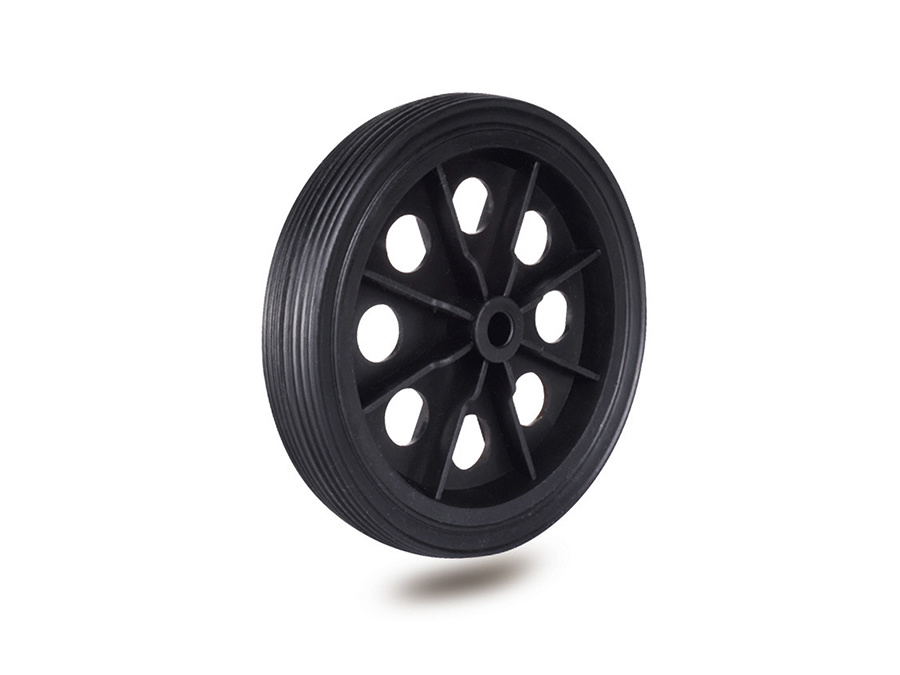
The designation "8x1.75" refers to the tire's dimensions, where 8 inches is the diameter and 1.75 inches is the width. This size is particularly well-suited for a range of vehicles, including scooters, dollies, and some medical devices. Understanding these specifications is crucial as they impact the tire's performance, load capacity, and compatibility with various vehicles.
3. Advantages of Solid Rubber Tires
Solid rubber tires offer several compelling benefits that make them a superior choice for many users.
3.1 Durability and Longevity
One of the most significant advantages of solid rubber tires is their exceptional durability. Made from high-quality rubber compounds, these tires are designed to withstand harsh conditions without compromising performance. Their longevity is particularly advantageous for businesses that rely on equipment to operate smoothly without frequent replacements.
3.2 Puncture Resistance
Traditional pneumatic tires are vulnerable to punctures, leading to downtime and increased maintenance costs. Solid rubber tires eliminate this issue entirely, providing peace of mind for users who operate in environments where sharp objects may be present. This puncture resistance makes them ideal for industrial settings and rough terrains.
3.3 Low Maintenance
Solid rubber tires require minimal maintenance compared to their air-filled counterparts. Users do not need to worry about air pressure checks, leaks, or blowouts, which saves time and reduces operational costs. This low-maintenance characteristic is particularly appealing to businesses focused on efficiency.
4. Performance in Different Environments
The versatility of solid rubber tires 8x1.75 shines through when evaluating their performance across various environments.
4.1 Urban Environments
In urban settings, solid rubber tires provide excellent traction on concrete and asphalt surfaces. Their ability to handle the wear and tear of city streets makes them a preferred choice for delivery vehicles, scooters, and other urban mobility solutions. Additionally, the noise reduction provided by solid rubber can lead to quieter operations, a crucial factor in populated areas.
4.2 Off-Road Conditions
When it comes to off-road applications, solid rubber tires excel due to their robust construction. They maintain stability on uneven surfaces, offering reliable performance on dirt paths, gravel, and rocky terrains. Their design minimizes the risk of getting stuck or damaged, making them suitable for outdoor activities and agricultural applications.
4.3 Indoor Applications
In indoor environments, such as warehouses and hospitals, solid rubber tires provide smooth maneuverability and floor protection. Their non-marking properties help maintain a clean appearance in facilities while ensuring the safety of sensitive flooring materials. This capability is essential in environments where both mobility and cleanliness are priorities.
5. Comparison with Other Tire Types
While solid rubber tires offer numerous advantages, it is essential to compare them with other types of tires to understand their unique position in the market.
Pneumatic tires, which are filled with air, provide a cushioned ride and are often favored for comfort in vehicles like cars and bicycles. However, they are susceptible to punctures and require regular maintenance. In contrast, solid rubber tires eliminate these concerns but may not offer the same level of shock absorption that pneumatic tires provide.
Foam-filled tires are another alternative, combining some benefits of solid and pneumatic tires. Although they offer puncture resistance, they can be heavier and may not perform as well in extreme conditions as solid rubber tires can.
Ultimately, the choice between these tire types will depend on the specific needs and operating conditions of the user.
6. Choosing the Right Solid Rubber Tire
Selecting the appropriate solid rubber tire involves considering multiple factors, including vehicle type, intended use, and environmental conditions. Here are some tips to guide the decision-making process:
1. **Assess Load Capacity**: Ensure the tire can support the weight of the vehicle and any additional loads. The 8x1.75 size generally provides a good balance for light to moderate loads.
2. **Consider Terrain**: Evaluate the primary surfaces the tire will encounter. For rough, uneven terrains, look for tires with additional tread patterns for enhanced grip.
3. **Evaluate Durability Needs**: Depending on the expected usage intensity, choose tires made from high-quality rubber compounds that will withstand wear and tear.
4. **Check Compatibility**: Verify that the tire size will fit the vehicle properly to ensure optimal performance and safety.
By taking these factors into account, users can make informed choices that will enhance their operational effectiveness.
7. Frequently Asked Questions (FAQs)
**Q1: What are solid rubber tires made from?**
A1: Solid rubber tires are made from high-quality rubber compounds, providing strength and durability without the need for air.
**Q2: Can solid rubber tires be used on all terrains?**
A2: While solid rubber tires perform well in various environments, users should evaluate specific tire tread patterns to ensure compatibility with particular terrains.
**Q3: How do solid rubber tires impact vehicle performance?**
A3: Solid rubber tires enhance performance by providing consistent traction, stability, and resistance to punctures, leading to increased safety and efficiency.
**Q4: Are solid rubber tires suitable for outdoor use?**
A4: Yes, solid rubber tires are ideal for outdoor applications, particularly in rugged terrains, due to their durability and puncture resistance.
**Q5: What is the lifespan of solid rubber tires?**
A5: The lifespan of solid rubber tires varies based on usage and environmental conditions, but they typically outlast traditional pneumatic tires due to their robust construction.
8. Conclusion
In summary, solid rubber tires 8x1.75 offer unparalleled performance and versatility across various environments. Their durability, puncture resistance, and low maintenance requirements make them an excellent choice for both personal and commercial use. Whether navigating urban streets, tackling off-road conditions, or ensuring smooth operations indoors, these tires provide the reliability that users demand. By understanding the unique advantages of solid rubber tires, individuals and businesses can make informed decisions that enhance their operational efficiency and safety.
solid rubber tire 8x1.75
Our company has been pursuing high quality for many years. We hope to move from success to a better future on a win-win basis.
Contact number:
Contact number: 86-573-84061208
Fax number: 0573-84061933
Contact address: No.12, Shanying Road, Huimin Street, Jiashan County, Jiaxing City, Zhejiang Province
E-mail address:cherryning@rubber-wheels.com
Enterprise official website:www.chinazyxs.com
Copyright 2024 Jiaxing Zhiyue Rubber & Plastic Co., Ltd. All Rights Reserved