


News
Top Features to Look for in the Best Solid Rubber Tire 8x1.75
Release time:
2024-09-11 14:40
Top Features to Look for in the Best Solid Rubber Tire 8x1.75
When it comes to selecting the right tires for your equipment or vehicle, particularly the **solid rubber tire 8x1.75**, understanding the essential features is crucial. These tires are increasingly favored for their durability, low maintenance, and versatility across different terrains and applications. In this detailed guide, we will
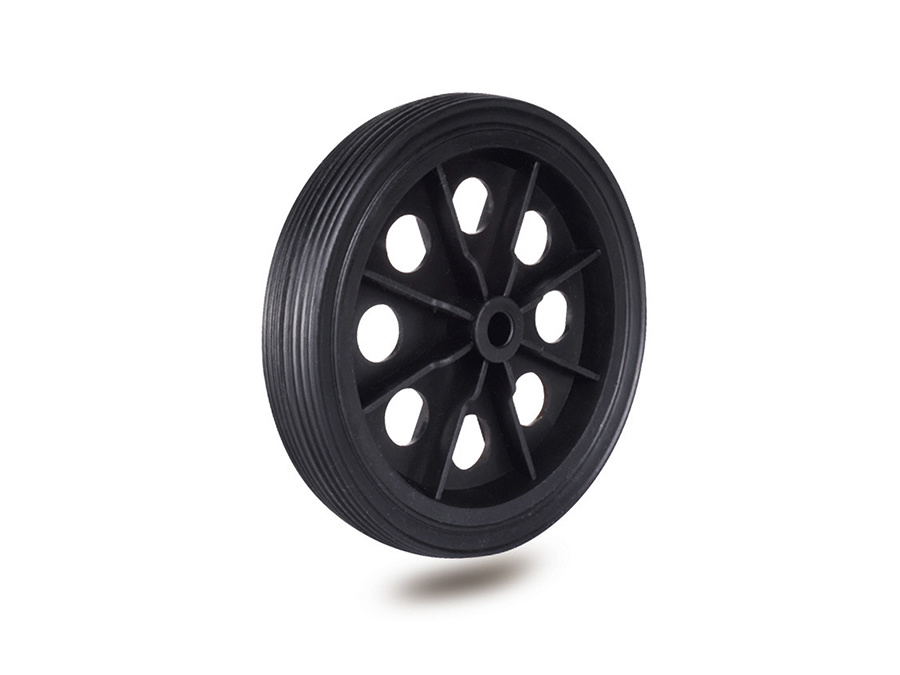
Top Features to Look for in the Best Solid Rubber Tire 8x1.75
When it comes to selecting the right tires for your equipment or vehicle, particularly the **solid rubber tire 8x1.75**, understanding the essential features is crucial. These tires are increasingly favored for their durability, low maintenance, and versatility across different terrains and applications. In this detailed guide, we will explore the top features that make a solid rubber tire stand out, ensuring you make an informed purchase.
Table of Contents
1. Introduction to Solid Rubber Tires
2. Durability and Longevity
3. Traction and Grip
4. Weight Capacity and Load Ratings
5. Comfort and Vibration Absorption
6. Maintenance and Cleaning
7. Versatility of Use
8. Cost-Effectiveness
9. Frequently Asked Questions
10. Conclusion
Introduction to Solid Rubber Tires
Solid rubber tires, particularly the **8x1.75** size, are designed for specific applications, including wheelbarrows, hand trucks, and some garden equipment. These tires are notable for their lack of air, meaning they won’t go flat like pneumatic tires. This feature alone eliminates unexpected downtime and reduces maintenance costs. Understanding the key features of these tires will help you select the best one for your needs.
Durability and Longevity
One of the standout features of the best solid rubber tire 8x1.75 is its remarkable **durability**. Solid rubber tires are engineered to withstand wear and tear from various surfaces. They are resistant to cuts, punctures, and abrasions, making them ideal for both indoor and outdoor use.
- **Material Quality**: The quality of the rubber used plays a pivotal role in the tire’s longevity. High-grade rubber compounds ensure that the tire can endure extreme conditions without degrading.
- **Construction Features**: Look for tires that have a well-constructed design, including reinforced sidewalls and tread patterns that contribute to their strength and durability.
Traction and Grip
Another crucial feature to consider is the **traction** that the tire offers. A solid rubber tire should provide optimal grip to ensure safety and efficiency, especially when navigating various terrains.
- **Tread Design**: The tread pattern significantly impacts traction. Look for tires with grooves or patterns that can channel water away, providing better grip on slippery surfaces.
- **Surface Compatibility**: Consider where you will be using the tire. Different tread designs perform better on specific surfaces, whether it’s concrete, gravel, or grass.
Weight Capacity and Load Ratings
When selecting a solid rubber tire 8x1.75, it’s essential to know its **weight capacity**. Each tire has a load rating that indicates the maximum weight it can safely support.
- **Load Rating Specifications**: Check the manufacturer's specifications for load ratings, ensuring that the tire can accommodate your equipment's needs.
- **Safety Margins**: It’s advisable to choose a tire with a load rating that exceeds your expected load, providing a safety margin for unexpected weight fluctuations.
Comfort and Vibration Absorption
Comfort is often overlooked but is an important aspect of tire performance. The best solid rubber tires should offer decent **vibration absorption** to minimize discomfort during use.
- **Material Properties**: Solid rubber inherently provides better shock absorption than harder materials, but some tires incorporate additional features to enhance comfort.
- **Usage Duration**: If you plan to use the equipment for long periods, comfort becomes even more important. Look for tires that minimize vibrations and jolts.
Maintenance and Cleaning
One of the significant advantages of solid rubber tires is their low **maintenance** requirements. Unlike pneumatic tires, solid tires do not need air pressure checks.
- **Easy Cleaning**: Solid rubber tires can easily be cleaned with soap and water. Their non-porous nature prevents dirt and grime from getting trapped.
- **Longevity with Minimal Maintenance**: Regular inspections for signs of wear are essential, but overall, solid rubber tires require less attention than their inflatable counterparts.
Versatility of Use
Solid rubber tires 8x1.75 are incredibly versatile, making them suitable for various applications. Their robust design allows them to be used in diverse environments.
- **Suitable Applications**: These tires are often used in warehouses, gardens, and even for personal mobility devices.
- **Adaptability**: Whether for light-duty or heavy-duty applications, the right solid rubber tire can adapt to your specific needs.
Cost-Effectiveness
While the initial purchase price of solid rubber tires may be higher than traditional pneumatic tires, their **cost-effectiveness** is evident over time.
- **Long-Term Savings**: The durability and low maintenance nature of solid rubber tires mean fewer replacements and repairs, translating to cost savings.
- **Value for Money**: When calculating the total cost of ownership, including maintenance and replacement intervals, solid rubber tires often prove to be the more economical choice.
Frequently Asked Questions
1. What is the difference between solid rubber tires and pneumatic tires?
Solid rubber tires do not contain air, eliminating the risk of flat tires. They are generally more durable and require less maintenance.
2. Can solid rubber tires be used on all surfaces?
Yes, solid rubber tires can be used on various surfaces, but their performance may vary based on tread design. It’s best to choose a tire with a tread pattern suited to your typical environment.
3. How do I determine the right load rating for my solid rubber tire?
Consider the combined weight of your equipment and any loads it will carry. Always choose a tire with a load rating that exceeds this weight for safety.
4. Are solid rubber tires suitable for outdoor use?
Absolutely! Solid rubber tires are designed to withstand outdoor conditions, making them ideal for garden tools, carts, and more.
5. How can I maintain my solid rubber tires?
Regularly check for signs of wear and clean them with soap and water as needed. There’s no need for air pressure checks, making maintenance easy.
Conclusion
Selecting the best solid rubber tire 8x1.75 involves understanding key features such as durability, traction, weight capacity, comfort, maintenance, versatility, and cost-effectiveness. By focusing on these aspects, you ensure that you make a wise investment that satisfies your specific needs. Solid rubber tires are a robust choice for anyone looking for reliability and performance in their applications. Whether for professional or personal use, the right solid rubber tire can significantly enhance your equipment’s functionality and longevity.
Best solid rubber tire 8x1.75
Next Page
Our company has been pursuing high quality for many years. We hope to move from success to a better future on a win-win basis.
Contact number:
Contact number: 86-573-84061208
Fax number: 0573-84061933
Contact address: No.12, Shanying Road, Huimin Street, Jiashan County, Jiaxing City, Zhejiang Province
E-mail address:cherryning@rubber-wheels.com
Enterprise official website:www.chinazyxs.com
Copyright 2024 Jiaxing Zhiyue Rubber & Plastic Co., Ltd. All Rights Reserved